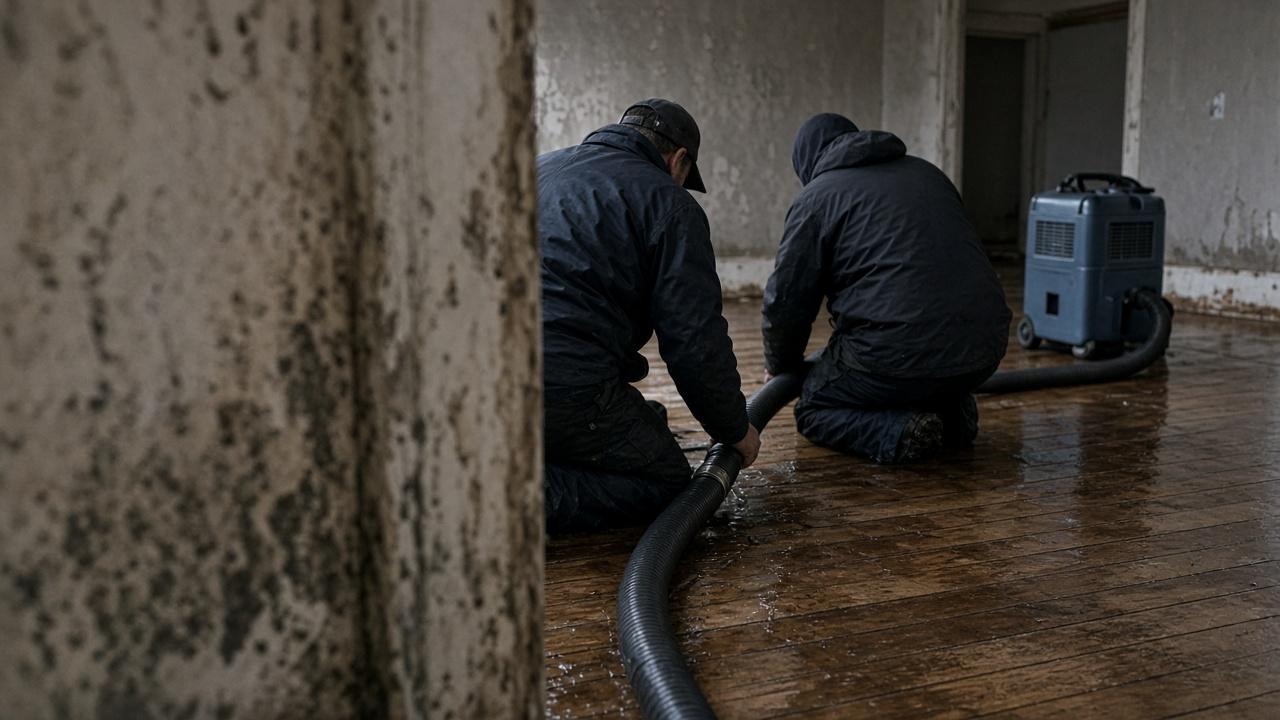
Water damage
restoration
Halifax, NS
Halifax Water Damage Restoration deals with the water first, then helps with what comes after: mold. A burst pipe, a flooded basement, a ceiling that's let go. One call gets it moving.
Every kind of water damage. And the mold after.
Water damage is our main job, and mold is the thing that so often follows it. So we cover both, from the first extraction to the final clearance test.
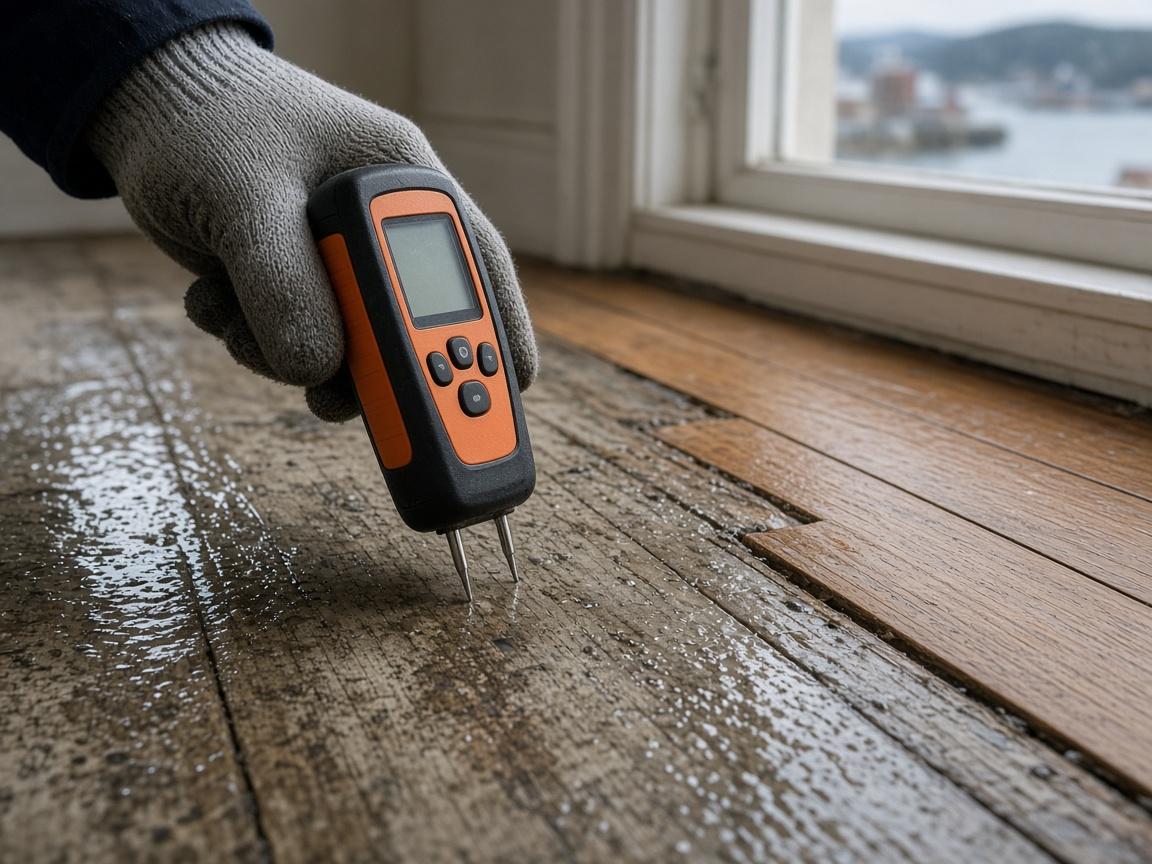
Water Damage Restoration
Full-scope water damage restoration for Halifax homes and businesses: from emergency extraction to structural rebuild.
Learn more
Flood Damage Restoration
Learn more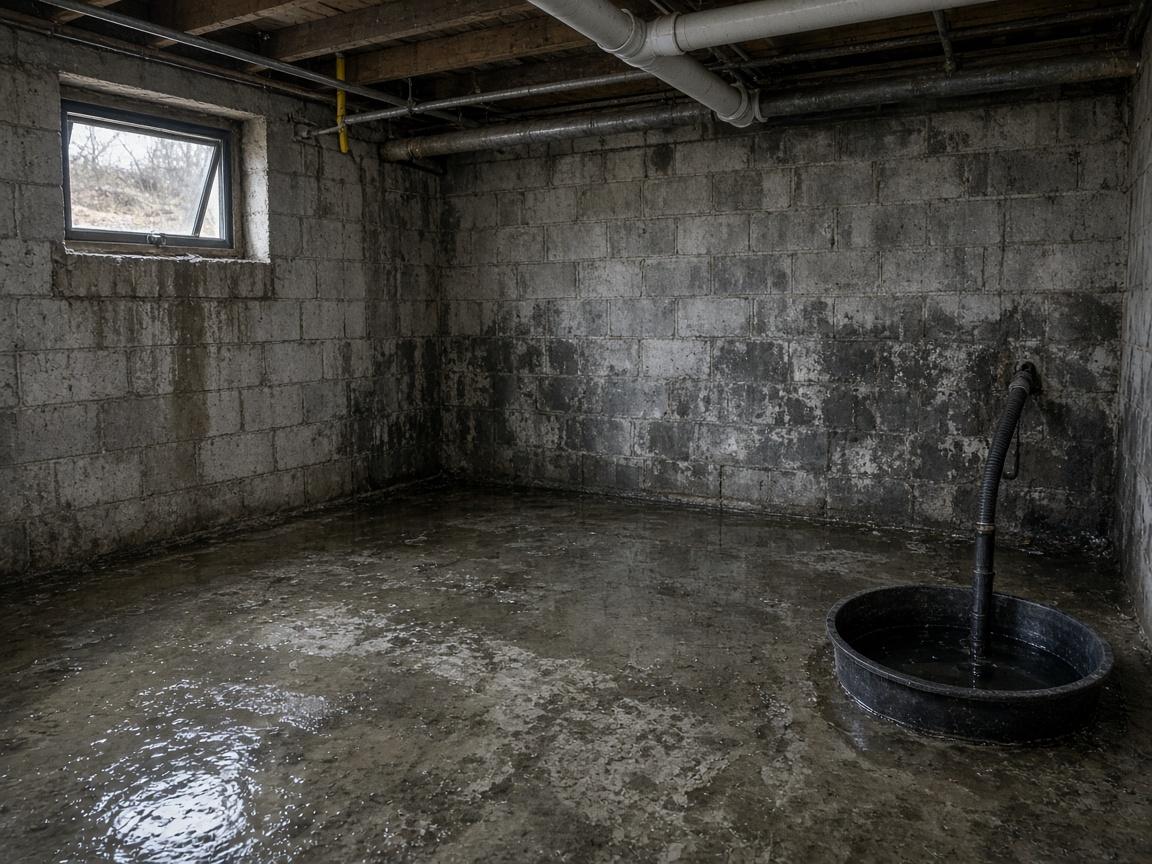
Basement Flooding Restoration
Learn more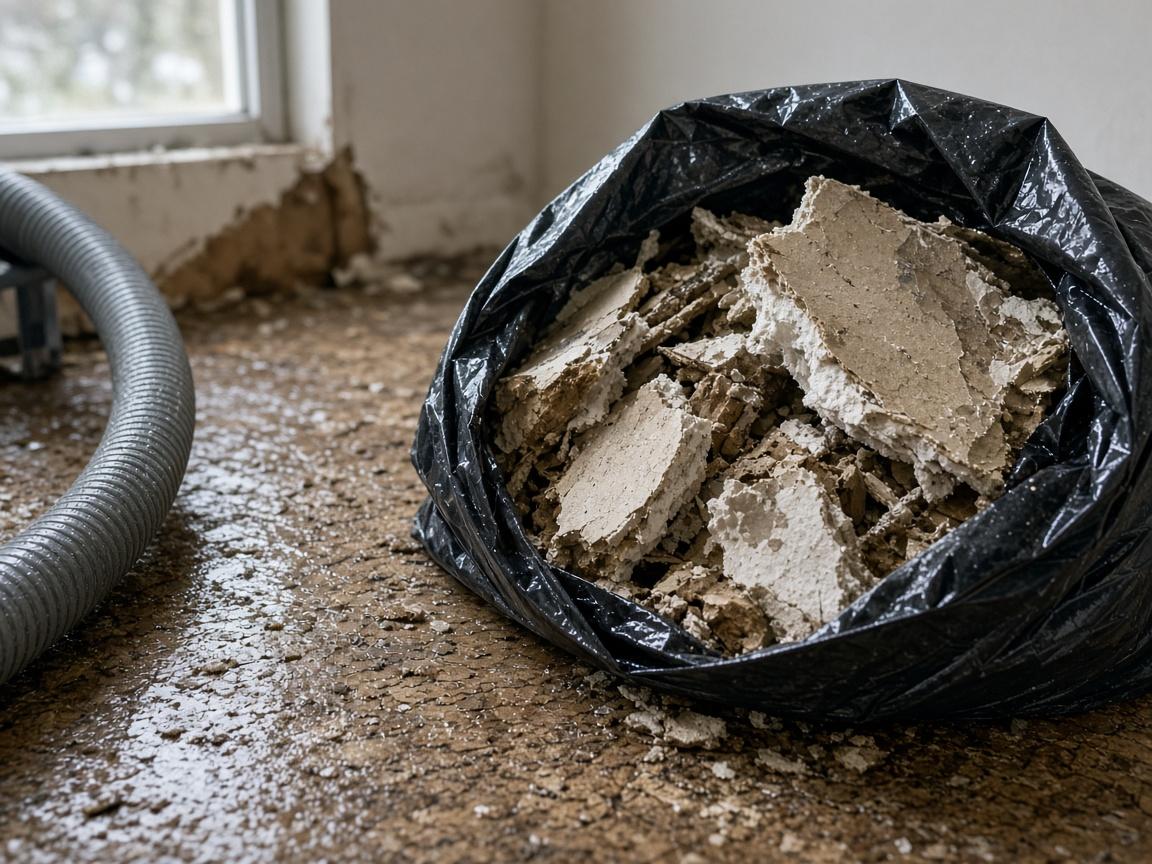
Water Damage Cleanup
Learn more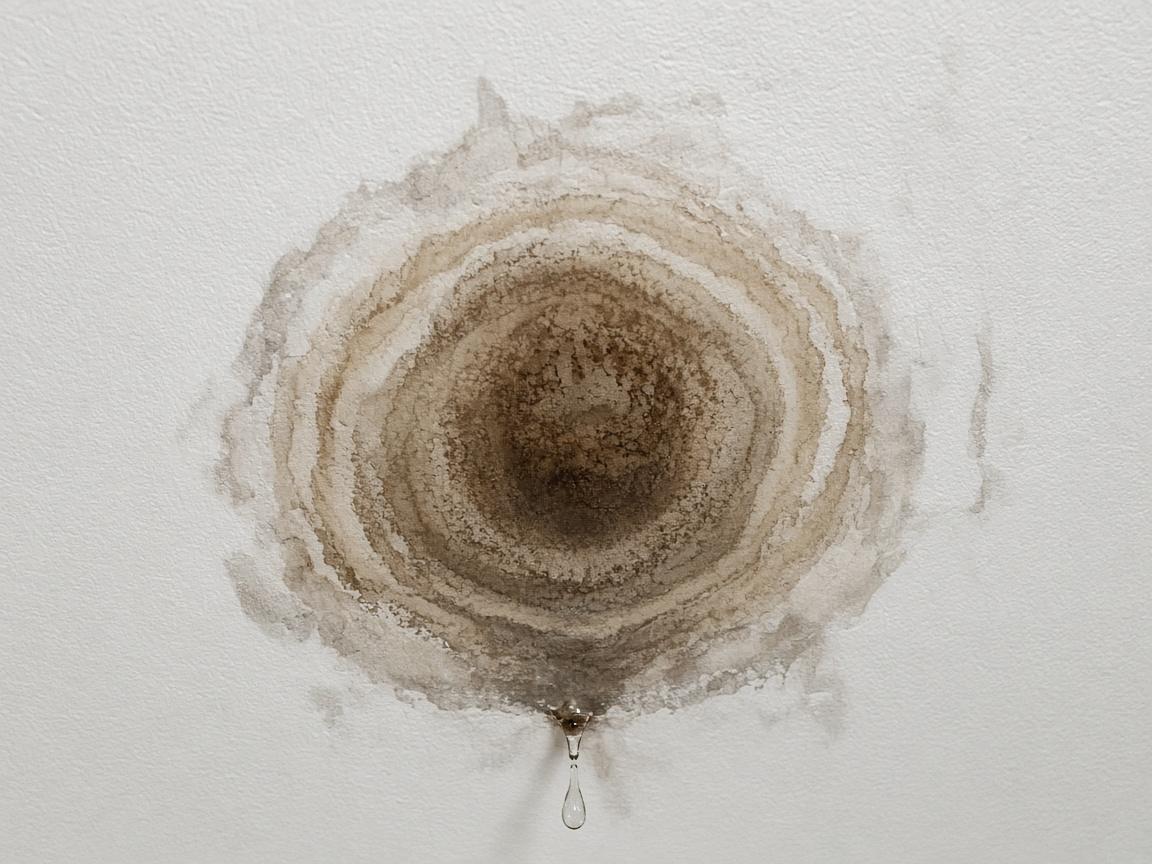
Ceiling Water Damage Repair
Learn more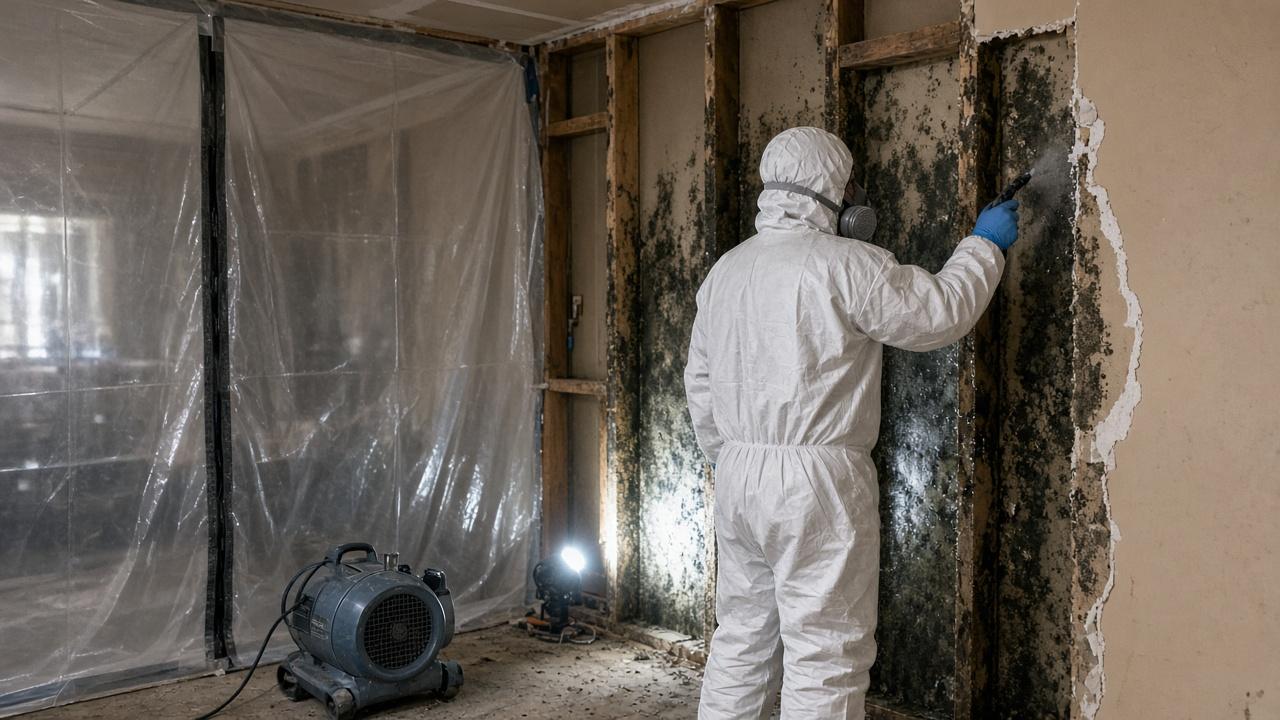
Mold Removal & Remediation
IICRC-certified mold removal and remediation for Halifax properties: containment, safe removal, and clearance testing.
Learn more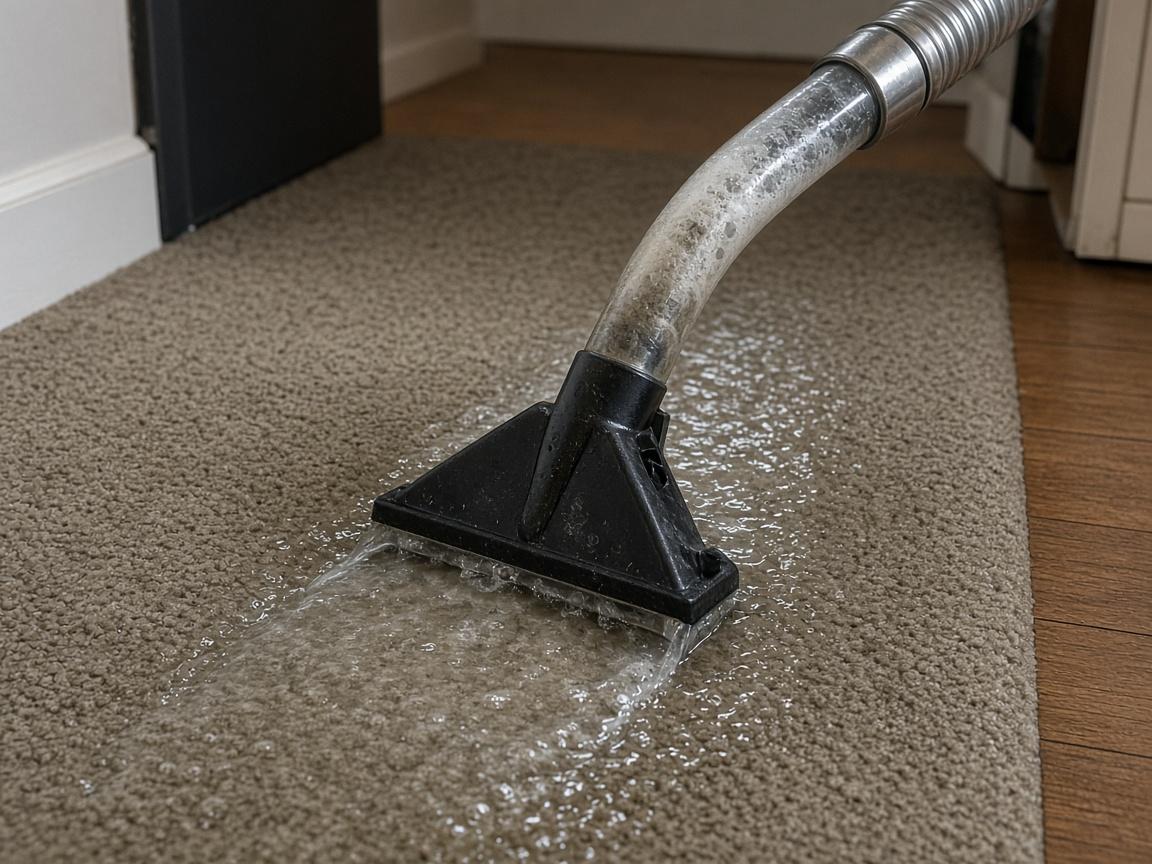
Emergency Water Removal
Learn more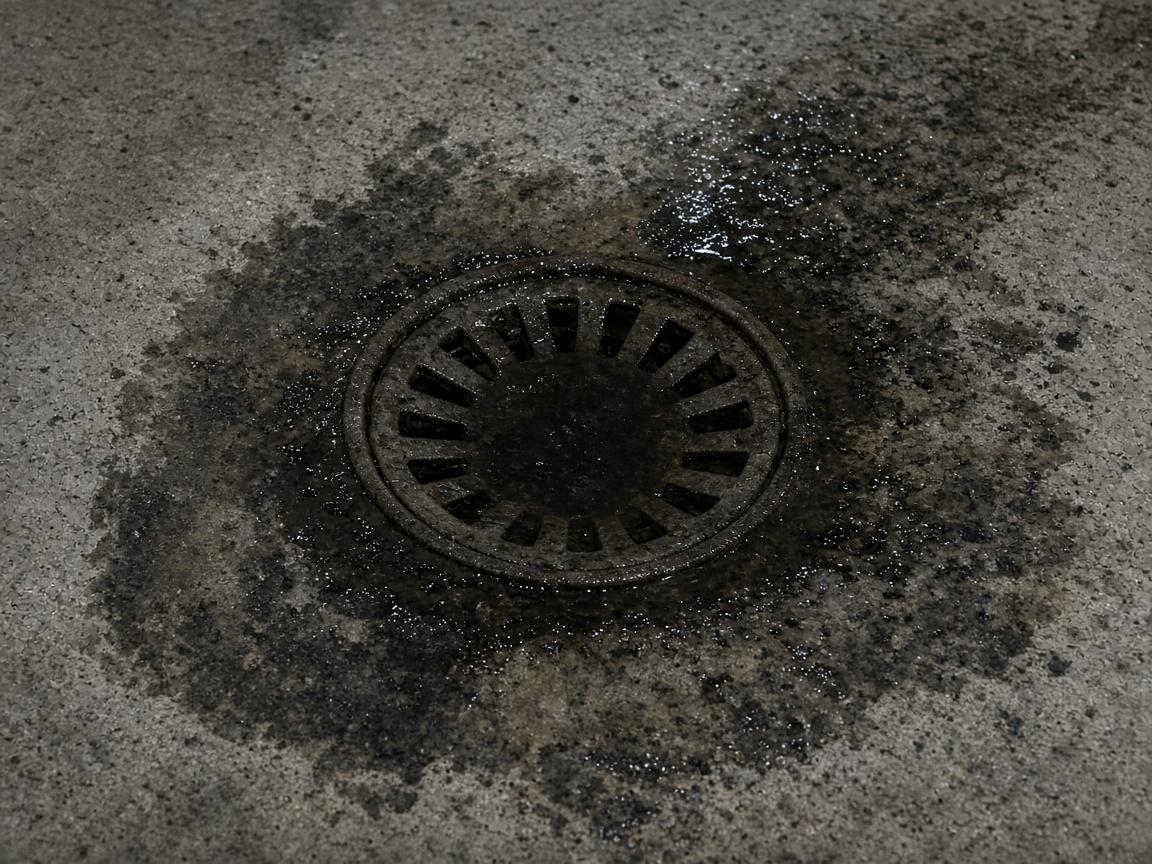
Sewage Backup Cleanup
Learn more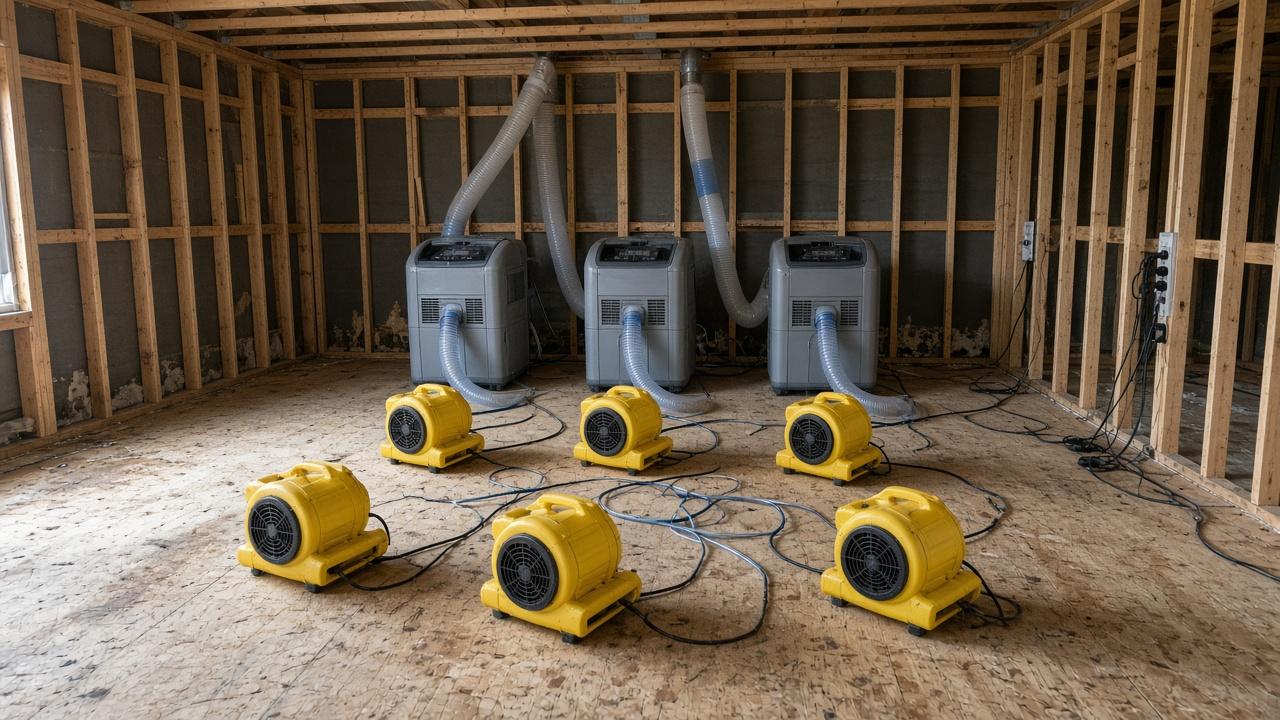
Structural Drying & Dehumidification
Scientific structural drying and dehumidification using LGR dehumidifiers and high-velocity air movers calibrated to Nova Scotia's climate.
Learn more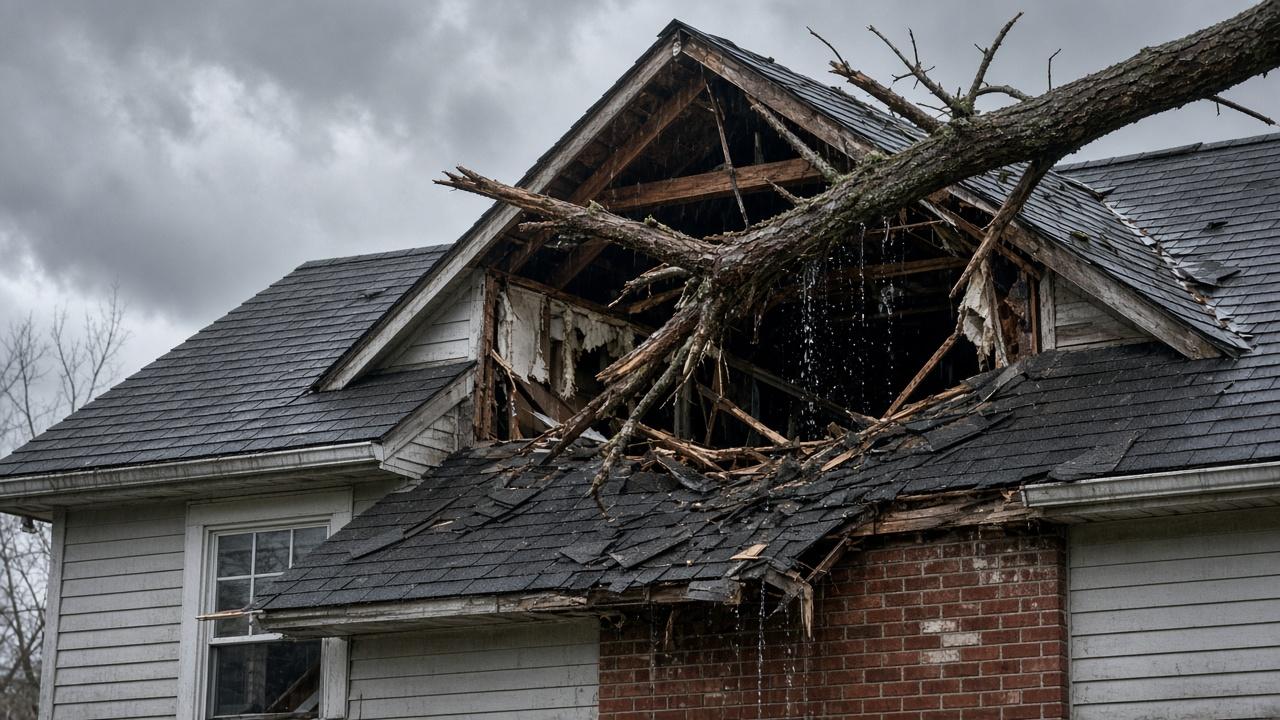
Storm Damage Restoration
Storm damage restoration for Halifax properties hit by wind, heavy rain, hail, or coastal storm surges: water intrusion to structural repair.
Learn moreWater damage doesn't end when the water's gone.
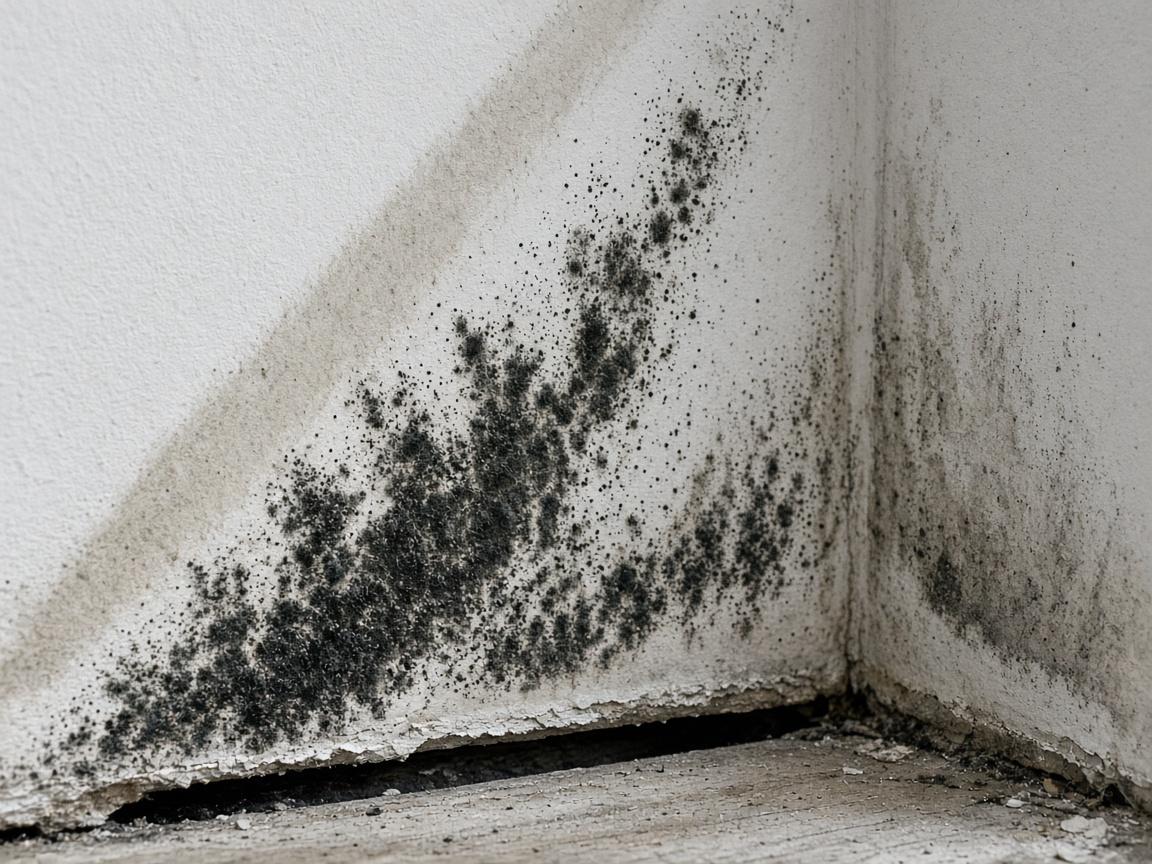
Most mold in a home starts as a water problem that wasn't fully dried. That's why drying, mold checks, and remediation live in the same conversation here.
- 1Right away
Water spreads
It wicks into drywall, baseboards, subfloor, and insulation faster than most people expect.
- 2A day or two
Mold finds a home
Spores that are already in every house get the damp, organic material they need.
- 3A few days
Growth goes out of sight
It spreads inside wall cavities and under flooring where you can't see or smell it yet.
- 4Weeks later
A bigger job shows up
Stains, a musty smell, and a remediation job that costs far more than drying would have.
Halifax water damage restoration: first call to fully dry.
A clear, documented process for Halifax property owners. Every step explained, every moisture reading on record.
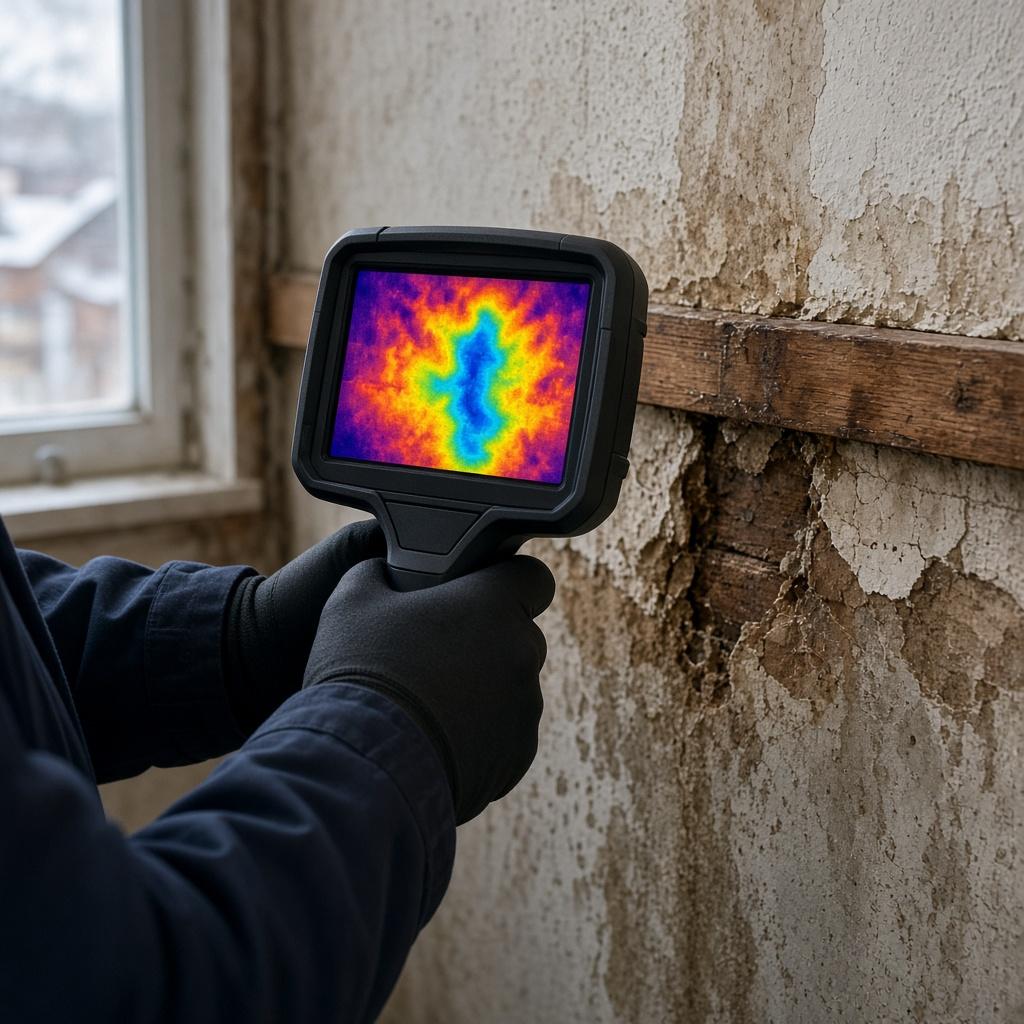 01
Call and assess
Phone us any time. We walk you through the immediate steps while a certified crew heads to your property to find the source and map the damage.
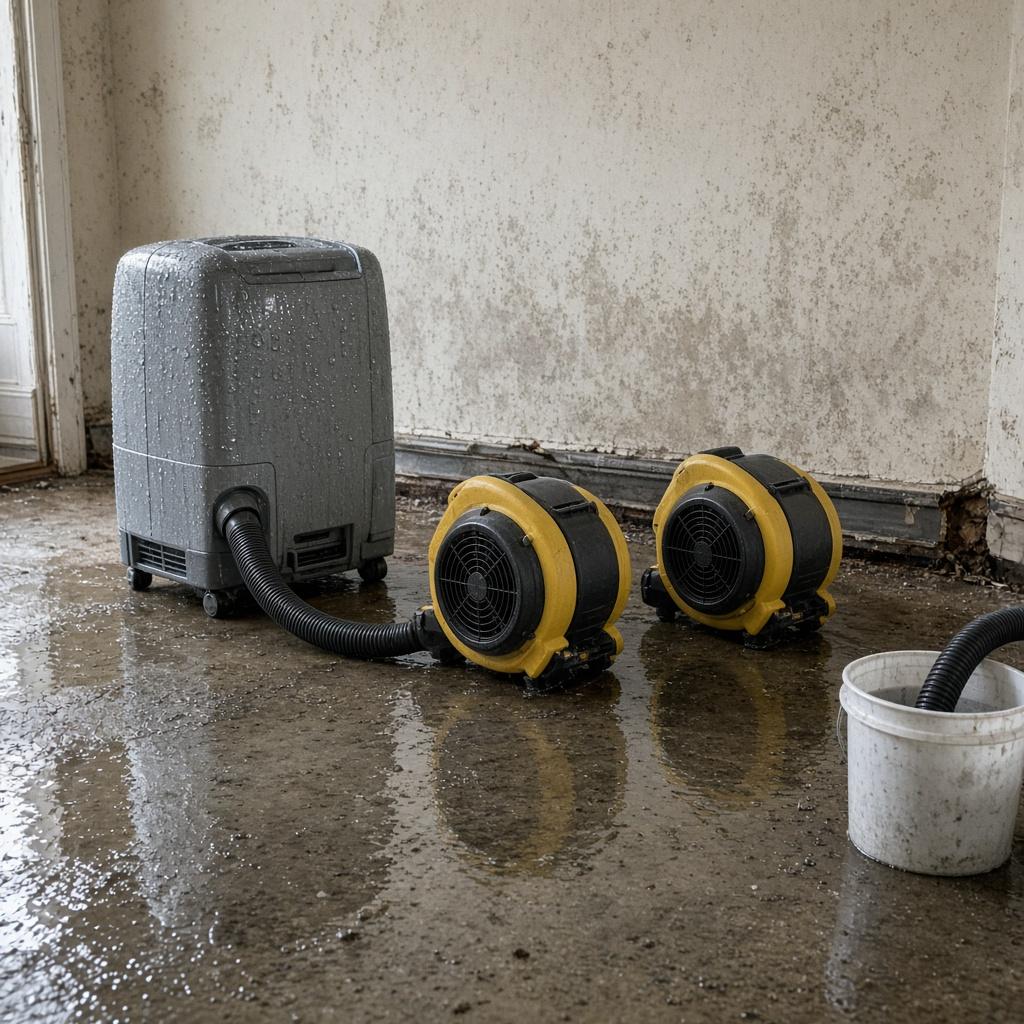 02
Extract and dry
Truck-mounted extractors pull out standing water. LGR dehumidifiers and air movers then dry the structure, with readings to show progress.
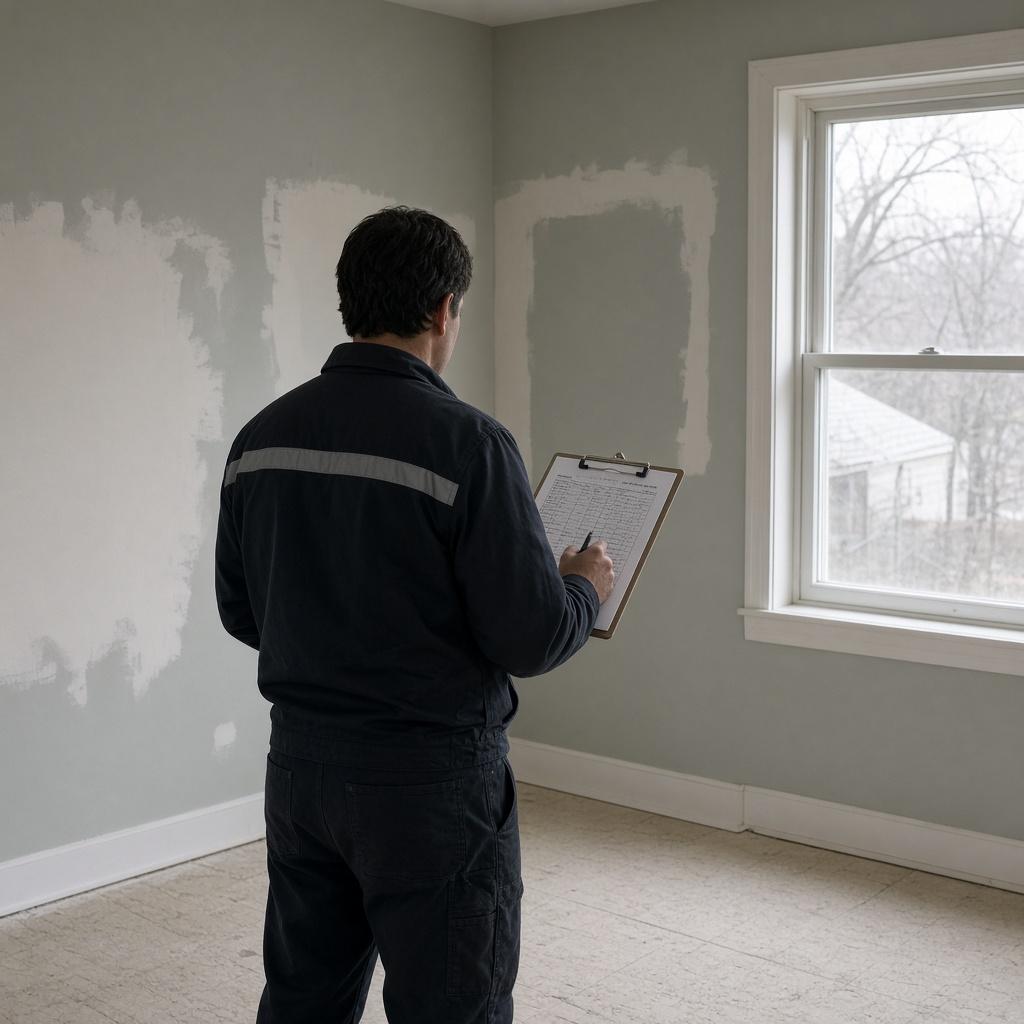 03
Check, restore, clear
Hidden moisture and mold get checked before anything is rebuilt. If mold is found, containment and removal come first, then clearance testing.
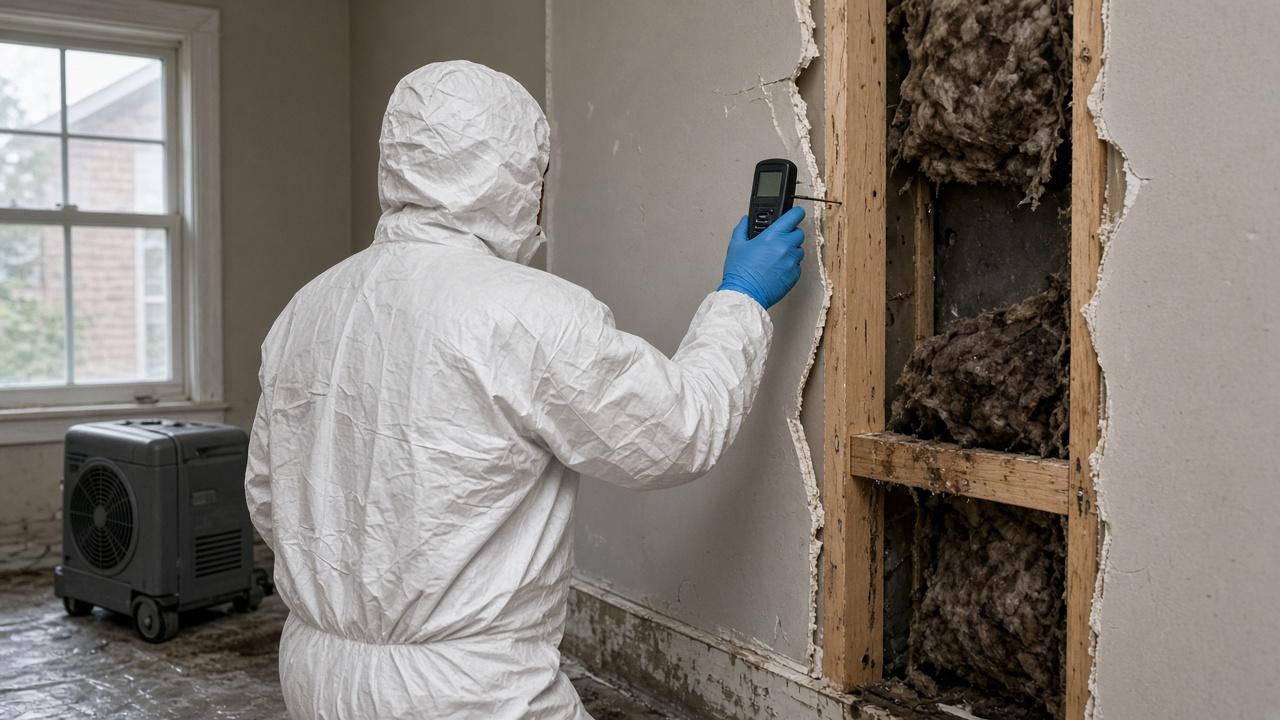
Water damage restoration done right. Every time.
Water damage is one of the most disruptive and expensive things that can happen to a Halifax property. The difference between a manageable repair and a gut-and-rebuild often comes down to how quickly the water comes out and how carefully the drying is done.
- IICRC certified technicians
- Licensed and insured
- Available 24/7
- All water categories, including sewage
- Mold checks built into the process
- Local Halifax knowledge
Moisture logs and drying records also help when you're talking to your insurance adjuster. A documented restoration is a much easier conversation than one with nothing on paper.
Not all water damage in Halifax is the same. The category changes everything.
The type of water determines the entire restoration protocol: what equipment is used, what can be saved, and what has to come out.
Clean water
Water from a sanitary source, like a supply line or a rain-fed roof leak. It carries the lowest health risk and lets the most material be dried in place. Left alone for a day or two, it can slide into Category 2.
Examples: Burst supply pipe, dishwasher leak, overflowing bath.
Grey water
Water with significant contamination, enough to cause illness if you touch or swallow it. Crews wear protection, and porous materials that sat in it are usually removed instead of dried.
Examples: Washing machine overflow, toilet overflow (urine only), aquarium leak.
Black water
Grossly contaminated water that can carry pathogens: sewage, river or storm drain flooding, seawater. It needs full protective gear, containment, and decontamination. Porous materials that touched it come out.
Examples: Sewage backup, overland flood, coastal storm surge.
Halifax isn't a generic city for water damage.
Several local factors raise both how often water losses happen across HRM and how serious they get.
Atlantic climate
Halifax gets over 1,400 mm of precipitation a year and humidity that regularly sits above 70%. Soil around foundations stays saturated, and drying takes longer and needs stronger equipment.
Older housing
Plenty of North End, South End, and Dartmouth homes have older foundations, no interior weeping tile, and aging plumbing. When those systems fail, the water goes deep into the materials.
Combined sewers
Much of the older city runs stormwater and sewage in the same pipe. In heavy rain, it can push sewage up through basement drains and ground-floor toilets.
Coastal storms
Nor'easters and post-tropical storms drive rain sideways and bring flooding to harbour and shoreline properties. Hurricane Juan and Dorian are the reminders everyone remembers.
Ice dam season
Meltwater that refreezes at the eaves backs up under shingles and into ceilings, often weeks after the storm and on a perfectly dry day.
Fast growth
New subdivisions in Bedford, Lower Sackville, and Cole Harbour are still settling. First-season drainage problems show up in homes that are brand new.
Seen a stain or smelled something musty?
Hidden moisture and early mold are easy to miss. Call and we'll talk through what you're seeing.
Water damage restoration across Halifax and all of HRM.
Crews cover Halifax and every surrounding HRM community. Pick yours to see what local water and mold problems look like.
View all service areasWater damage questions, Halifax answers.
The things Halifax property owners ask us most about water damage, mold, and insurance claims.
How do I find a reputable water damage restoration company in Halifax?
Start with IICRC certification, the recognised credential in the restoration industry, then ask about licensing and insurance. A good company explains what it's doing, takes moisture readings, and keeps drying records you can hand to your insurer.
What does Nova Scotia home insurance cover for water damage?
Standard policies usually cover sudden and accidental water damage, like burst pipes, appliance failures, and storm roof breaches. Gradual seepage, overland flooding, and sewer backup are typically excluded unless you've added those endorsements. If you're not sure what you have, call your broker before you file.
My basement flooded. What should I do right now?
Shut off the water source if it's a plumbing failure. Turn off power to the area at the breaker only if you can do it without stepping into standing water. Stay out if the water might be sewage or you're unsure about electrical safety. Take photos before anything gets moved, then call for professional extraction.
Can water damage hide inside walls?
Yes, and it's one of the most common causes of mold after a repair. Water travels through bottom plates and framing well beyond the visible stain. Moisture meters and thermal imaging find it. A visual check alone often misses it.
How does mold show up after water damage?
Mold can start in damp drywall, insulation, and framing within a day or two. Watch for a musty smell, discolouration, bubbling paint, or warped baseboards. If you notice any of it after a water loss, get it checked before you repaint or rebuild.
Is it safe to stay in my home during restoration?
For a small clean-water loss in one area, staying is often fine. For grey or black water, heavy demolition, or active mold remediation, it's usually better to stay elsewhere. The crew on your job will tell you what makes sense for your situation.
How does structural drying work?
LGR dehumidifiers pull moisture out of the air, and air movers push air across wet surfaces so moisture evaporates faster. They work as a pair. Air movers alone just move moisture around, and dehumidifiers alone can't reach moisture trapped inside assemblies.
What's the difference between water mitigation and water restoration?
Mitigation stops further damage: extraction, removal of materials that can't be saved, drying equipment, and antimicrobial treatment. Restoration brings the property back: rebuilding, flooring, paint, and trim. Mitigation comes first, and both are needed for a full recovery.
Water damage or mold? Call us first.
Call or send a message and Halifax Water Damage Restoration will help you work out the next step, whether that's pulling water out of a basement or checking for mold after a leak.