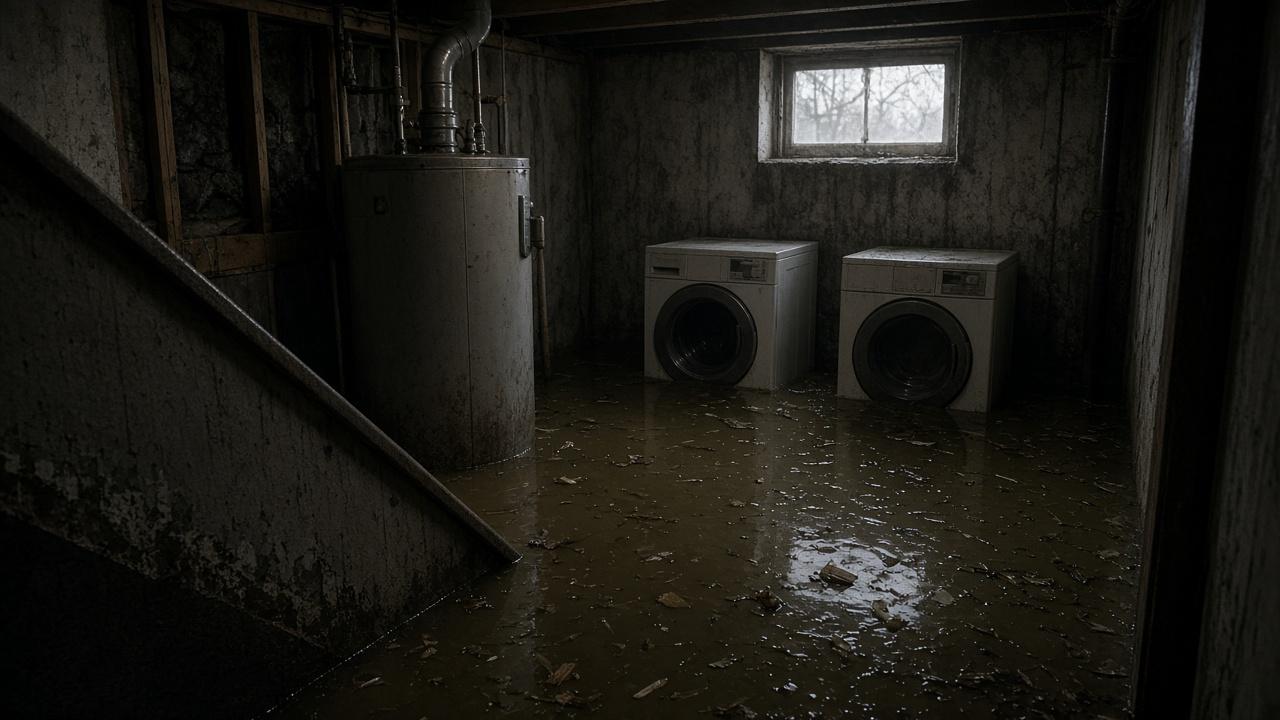
Flood Damage Restoration in Halifax, NS
Rapid flood damage restoration services for overland flooding, storm surges, and severe water intrusion in the Halifax region.
Flood Damage Restoration in Halifax — When Water Takes Over
Flooding is a different animal than a burst pipe. When overland water, storm surge, or a backed-up drainage system pushes into your Halifax home or commercial property, you're often dealing with Category 3 water — highly contaminated material that requires a different protocol than clean-water losses.
Halifax properties face flooding risk from multiple directions: the harbour and Bedford Basin during storm events, the network of brooks and rivers throughout HRM that exceed capacity in heavy rain, and Halifax's older combined sewer infrastructure that backs up when overwhelmed. The city's topography — built on a peninsula and surrounded by water on three sides — means flood events affect a wide range of neighbourhoods, from the South End to Bedford to Eastern Passage.
Flood damage restoration isn't just clean-up. Contaminated floodwater carries bacteria, sewage, pesticides, and industrial compounds. Surfaces that contact flood water require specific decontamination protocols, and materials that can't be adequately sanitised must be removed. Our Halifax flood restoration specialists are IICRC certified and follow the correct Category 3 protocols to keep your family safe and your insurance claim defensible.
Water damage gets worse every hour it sits. Call us and a certified crew will be dispatched to your Halifax property.
902-904-0526Send a MessageCertifications
Flood Damage Restoration Services in Halifax
A flood loss involves more complexity than a clean-water event. Here's what our Halifax flood restoration crews handle:
Category 3 Water Assessment
Flood water is classified and tested. Category 3 protocols mean PPE, proper waste handling, and decontamination steps that clean-water jobs don't require.
Contaminated Water Extraction
Truck-mounted extractors with proper waste containment remove flood water safely. Disposal follows environmental regulations for contaminated water — not just dumped in the nearest drain.
Full Decontamination
Affected surfaces, framing, and structural materials are treated with EPA-registered disinfectants. Contaminated porous materials — carpet, drywall, insulation — are removed and disposed of properly.
Flood Barrier & Source Control
Where the flood source is ongoing or the property remains at risk, temporary barriers, sump pump installations, or drainage redirects are implemented before restoration begins.
Structural Drying
Once decontamination is complete and non-salvageable materials are removed, industrial drying equipment brings structural assemblies to target moisture content.
Mold Prevention & Treatment
Flood events carry significant mold risk. Antimicrobial treatment, proper drying, and post-drying inspection ensure mold doesn't colonise in wall cavities, framing, or subfloor after a flood.
Content Restoration
Personal property, furniture, and documents affected by flooding are assessed for restorability. Items that can be cleaned and restored are handled accordingly; total losses are documented for your claim.
Structural Rebuild
Full reconstruction after flood damage — framing, insulation, drywall, flooring, cabinetry, and finishes — returned to pre-flood condition.
Halifax Flood Risk — What Property Owners Need to Know
The Halifax Regional Municipality sits at the intersection of several flood risk factors. The harbour and Bedford Basin generate storm surge during nor'easters and post-tropical systems — events that have become more frequent and intense in recent decades. The city's brooks — Sackville, Morris, and Sawmill River among others — can jump their banks in a heavy rain event, flooding properties in Bedford, Lower Sackville, and along the Dartmouth waterfront.
Halifax's older neighbourhoods also sit on combined sewer infrastructure — systems that carry both stormwater and sanitary sewage in the same pipes. When storms overwhelm these systems, sewage can back up into basements and ground-floor spaces. This is Category 3 water by definition and requires the full decontamination protocol, regardless of how 'clean' the water looks.
Provincial and municipal flood maps have been updated in recent years as the data on sea level rise and storm intensity improves. If your property sits in or near a mapped floodplain, it's worth understanding what your home insurance does and doesn't cover. Overland flood coverage is a separate rider in Nova Scotia — many homeowners discover during a claim that their standard policy covers internal pipe failures but not water that enters from outside the structure.
After a flood, the most important thing you can do is document everything before anything is moved, then call for professional extraction as soon as the flood source is controlled. Don't attempt to run standard shop vacs or household fans — the volumes involved exceed what consumer equipment can handle, and improper drying of Category 3 materials creates a health hazard.
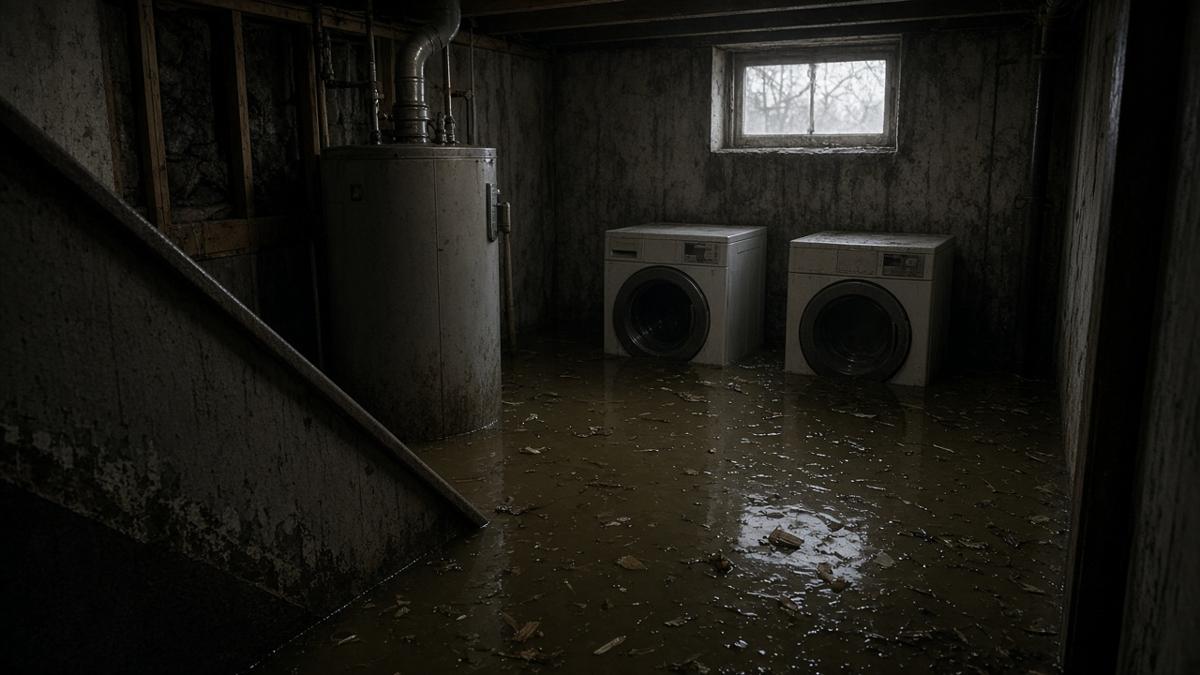
Our Halifax Flood Damage Restoration Process
Flood restoration follows a more rigorous protocol than clean-water events. Here's the step-by-step:
- 1
Rapid Deployment & Scene Safety
Crew arrives with full PPE for Category 3 water. Power is confirmed off or isolated, structural stability is assessed, and the flood source is confirmed as controlled before entry.
- 2
Water Classification & Documentation
Flood water is classified (Category 1/2/3) and documented. Photo and video documentation of all affected areas is completed before extraction begins — critical for your insurance claim.
- 3
Contaminated Water Extraction
All standing water is extracted using truck-mounted systems. Waste water is handled and disposed of per Nova Scotia environmental regulations.
- 4
Material Assessment & Demo
All porous materials that contacted Category 3 water (carpet, pad, drywall, insulation) are assessed, documented, and removed. This is non-negotiable for health safety.
- 5
Decontamination & Disinfection
Structural framing, concrete, and hard surfaces are cleaned with EPA-registered disinfectants, rinsed, and allowed to dry before drying equipment is placed.
- 6
Structural Drying
LGR dehumidifiers and air movers are deployed. Daily moisture monitoring continues until all materials reach target moisture content.
- 7
Mold Inspection
Once dry, a post-drying mold inspection confirms no colonisation has occurred during the drying period. If mold is found, a remediation protocol is initiated before reconstruction.
- 8
Full Reconstruction
Insulation, drywall, flooring, paint, trim, and any specialised elements are replaced. Final walkthrough confirms pre-loss condition is restored.
Why Halifax Flood Victims Choose Our Network
Flood restoration is high-stakes work. Here's why the contractors we refer meet the standard:
Category 3 Protocol Trained
Not every restoration company understands or follows proper Category 3 decontamination. Every contractor in our network does — your family's health depends on it.
Insurance Claim Support
Flood claims are often disputed. Complete documentation, moisture logs, and professional scope reports give your adjuster the evidence to process your claim fairly.
Halifax Flood Geography Knowledge
Local crews understand HRM's specific flood risk zones, the combined sewer infrastructure, and the mold implications of Atlantic humidity — knowledge that generic national brands don't bring to the job.
Common Questions About Flood Restoration in Halifax
Is flood water from the storm drain safe to touch?
No. Combined sewer overflow and stormwater carry fecal bacteria, heavy metals, and chemical contaminants. It should be classified as Category 3 water and handled with appropriate PPE. Don't attempt to wade through or manually remove flood water without protection.
Does Nova Scotia home insurance cover flood damage?
Standard homeowner policies in Nova Scotia do not cover overland flooding by default. Overland flood coverage is a separate rider that must be specifically added to your policy. Sewer backup coverage is also typically separate. Review your policy before a flood event — not after.
Can carpet be saved after a flood?
In most flood scenarios, no. Carpet that has contacted Category 3 water must be removed and disposed of — it cannot be adequately decontaminated. Carpet from clean-water losses (burst pipe) may be salvageable depending on how quickly it's extracted and treated.
How long does flood damage restoration take?
The drying phase typically takes 4–7 days for a flood loss. Reconstruction depends on scope. A flooded basement with full gut-out and rebuild can take 3–6 weeks. We provide a detailed timeline and scope before work begins.
Related Restoration Services
Halifax Water Damage Restoration handles all water-related restoration needs across Halifax and the surrounding region. Return to the homepage for a full overview of what we do.
Ready to Get Your Flood Restoration Started?
Call now and we'll connect you with a certified flood restoration specialist serving Halifax, NS and surrounding areas.