Call Now902-904-0526Free AssessmentNo obligation
Water Damage Restoration

We Restore Water Damage.
From Standing Water to a Dry Building.

Halifax Water Damage Restoration focuses on two things: water damage restoration, and the mold problems that so often follow it.

Water doesn't wait for a good time. It's a pipe at 2 am, a flooded basement on a Sunday, a roof leak in the middle of a nor'easter. And once the water is gone, the question changes to what's still hiding in the walls.

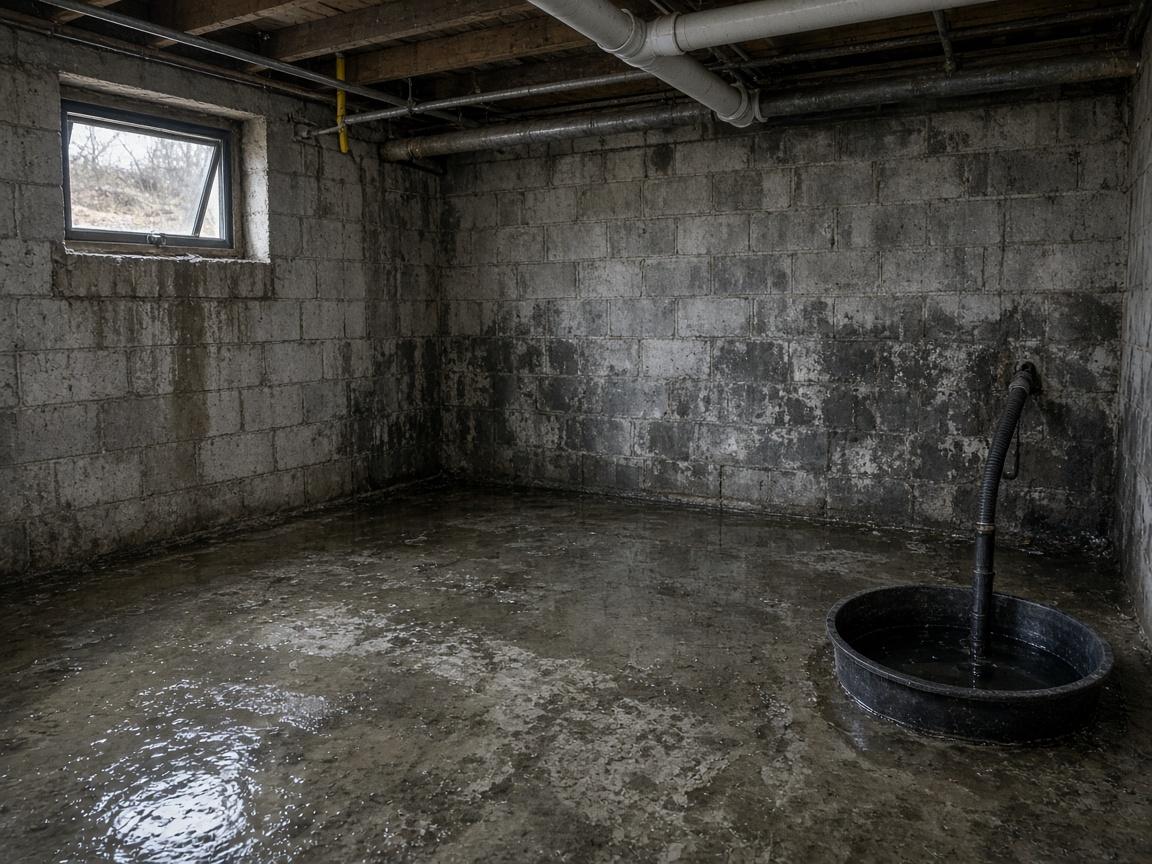
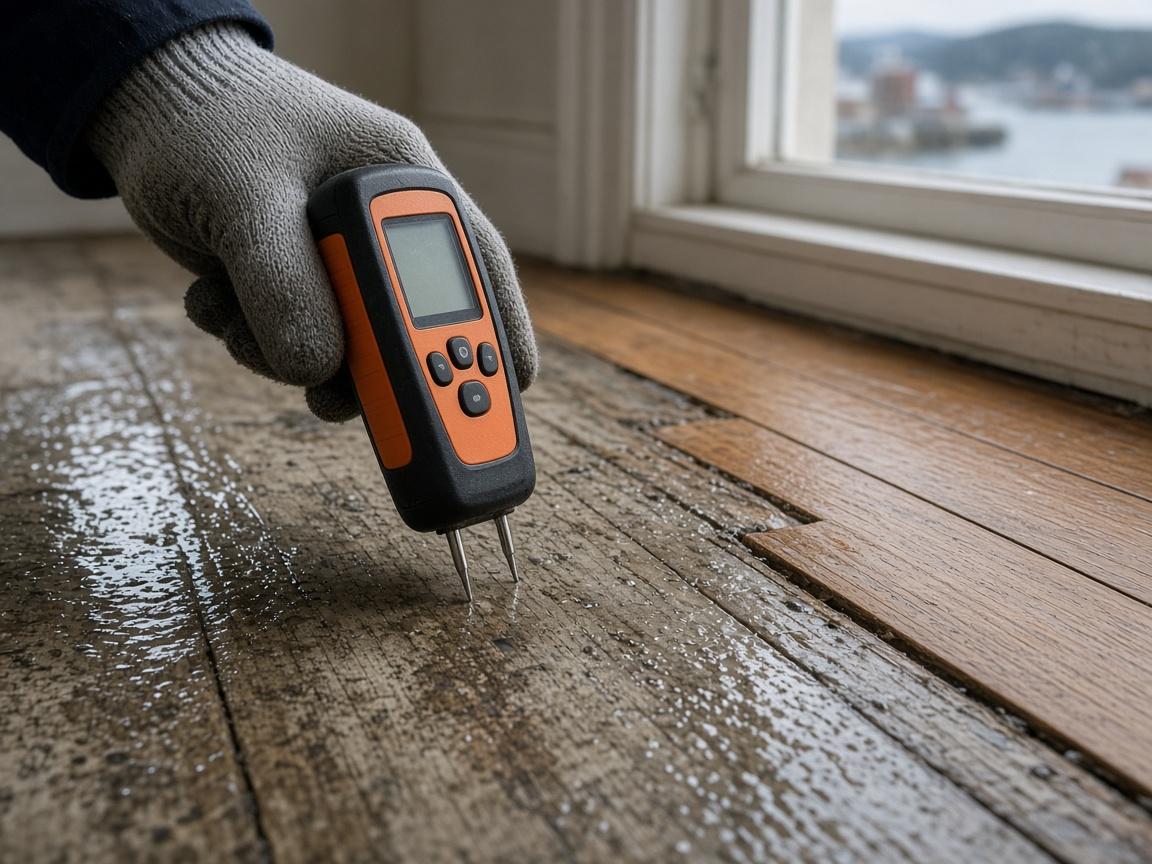
Water damage restoration work inside a Halifax home
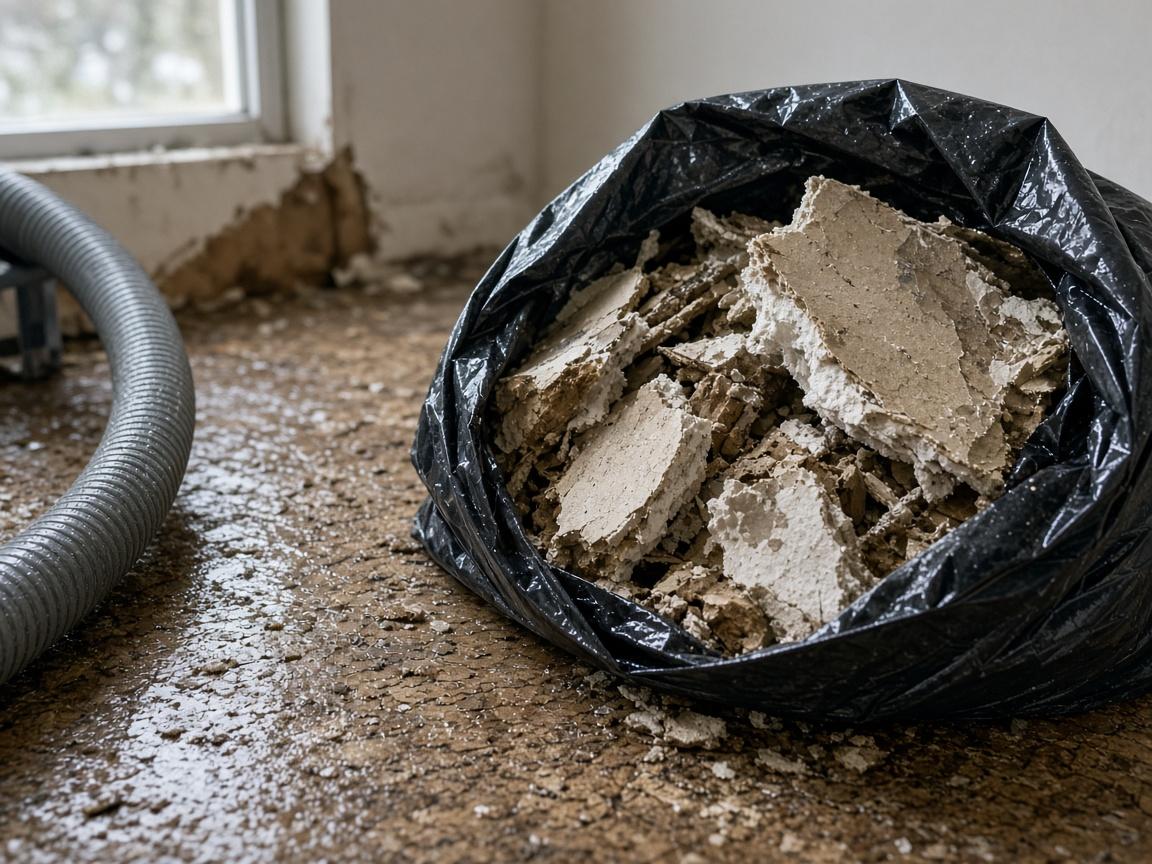
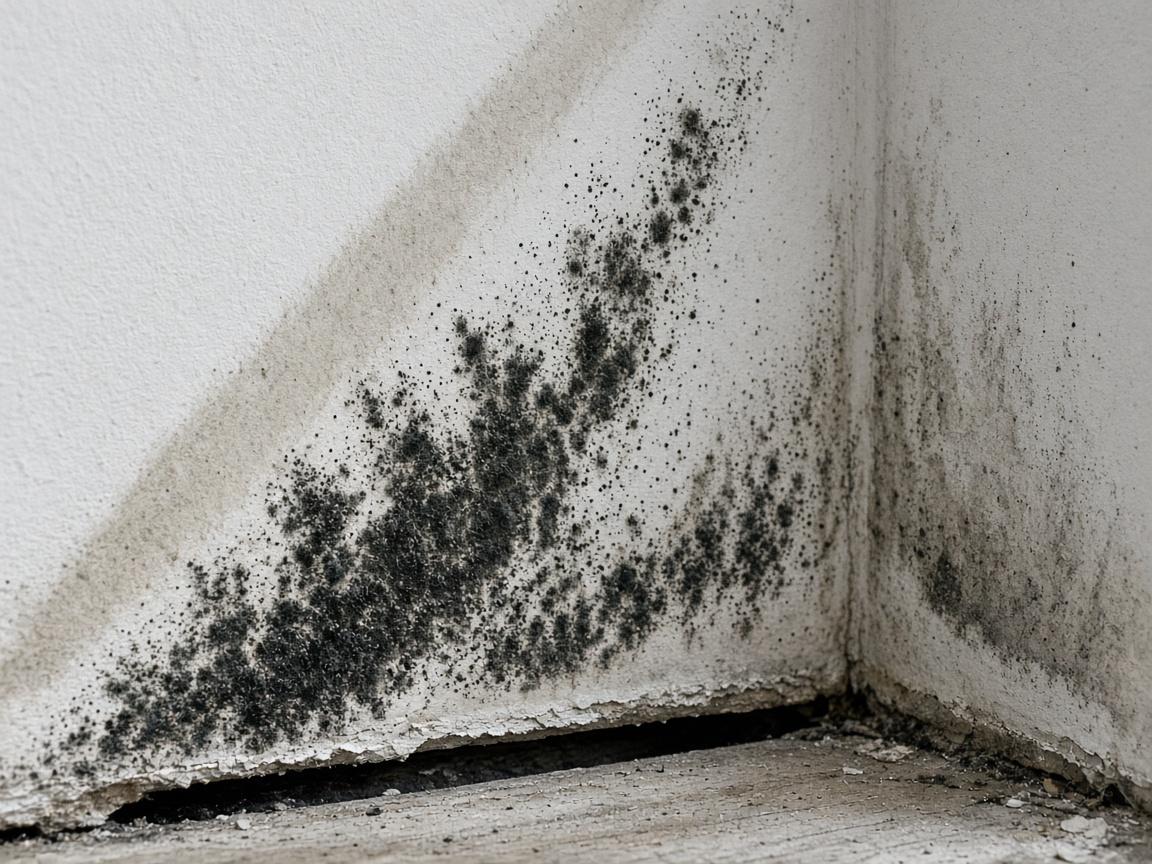
Mold remediation containment set up in a Halifax property
Serving
Halifax + HRM
What We Focus On

Two Jobs, One Property: The Water and What Comes After

We don't try to be everything. We stick to water damage and mold because they're connected, and because treating them as separate problems is how people end up with mold behind freshly painted drywall.

Water damage restoration work inside a Halifax home
Focus One

Water Damage Restoration

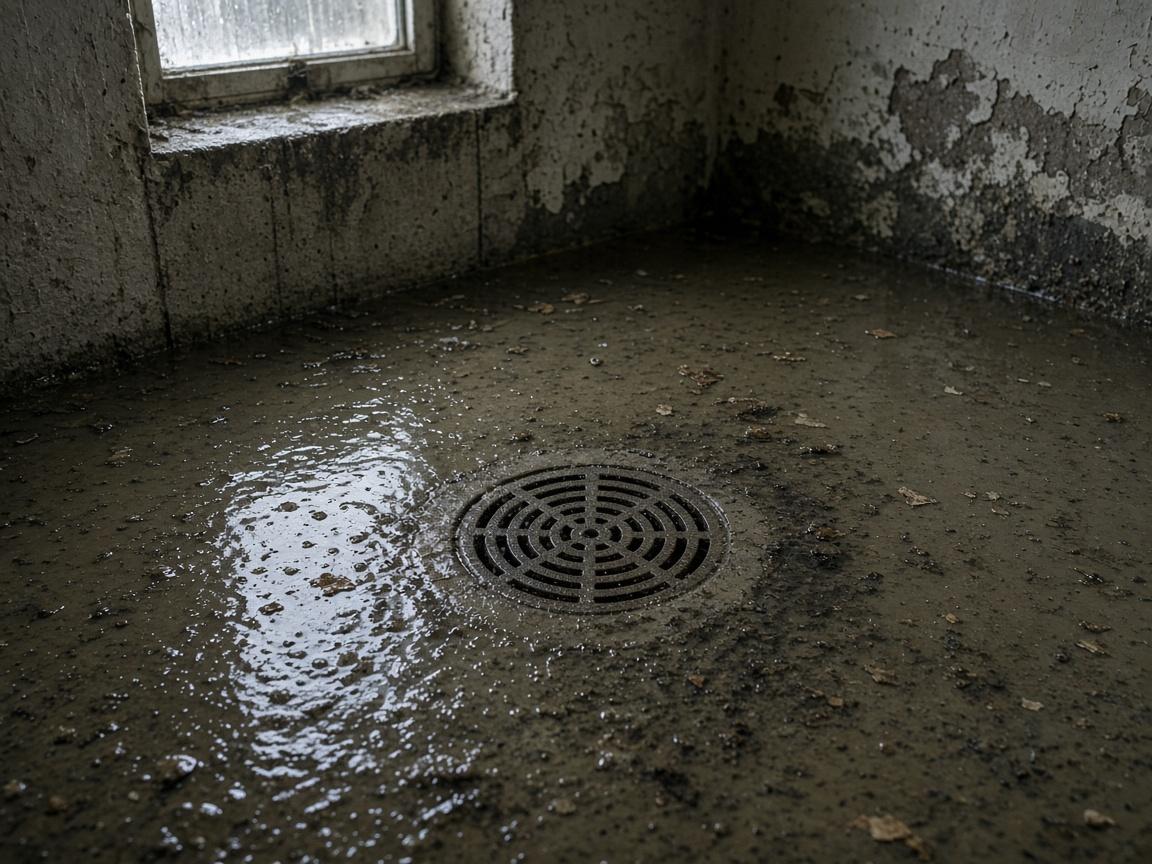
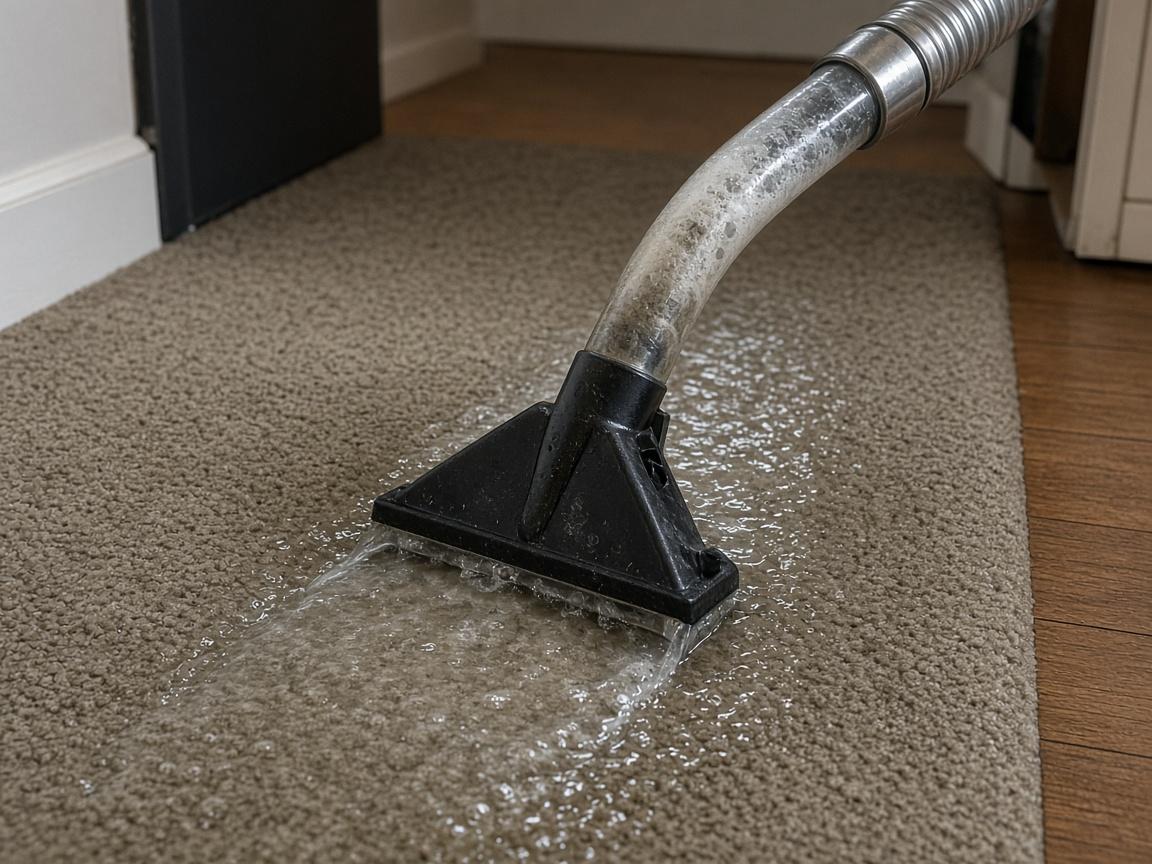
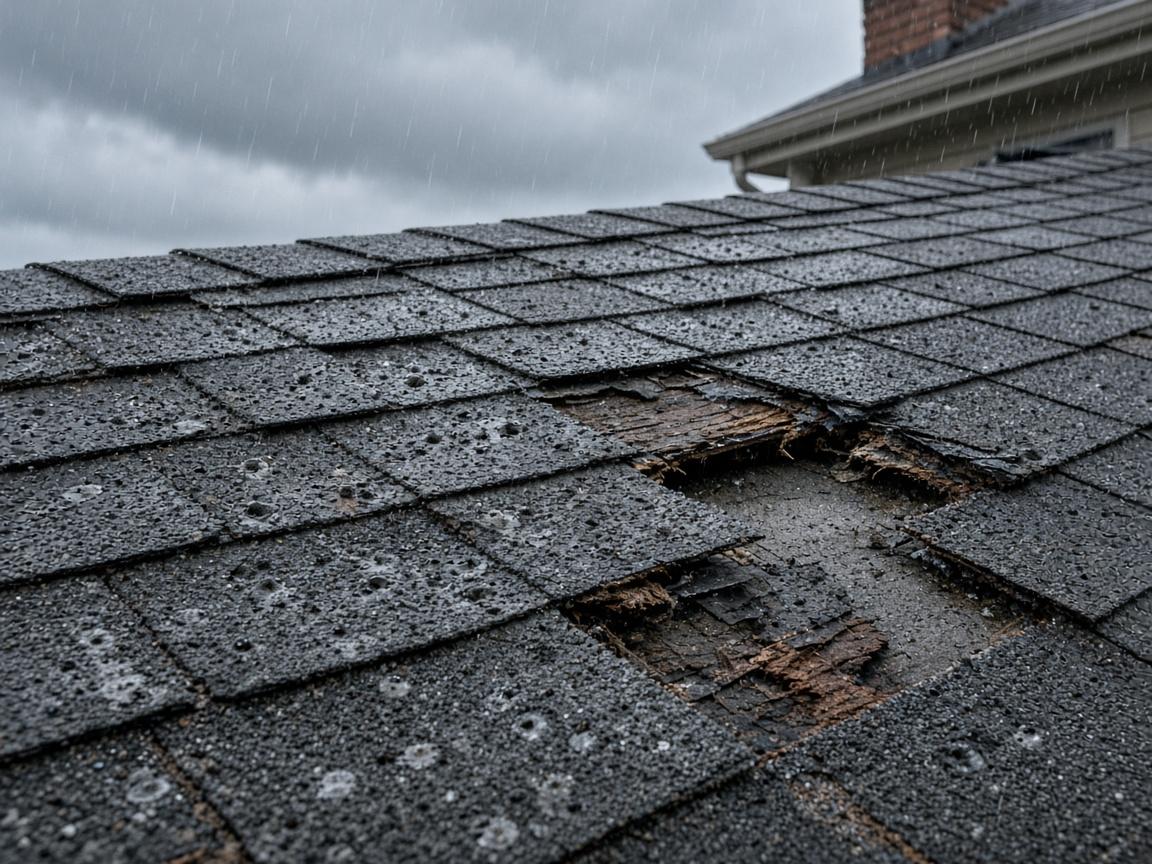
Burst pipes, flooded basements, sewage backups, storm water coming through the roof. The first job is always the same: get the water out and get the building dry.

  • Emergency water removal and extraction
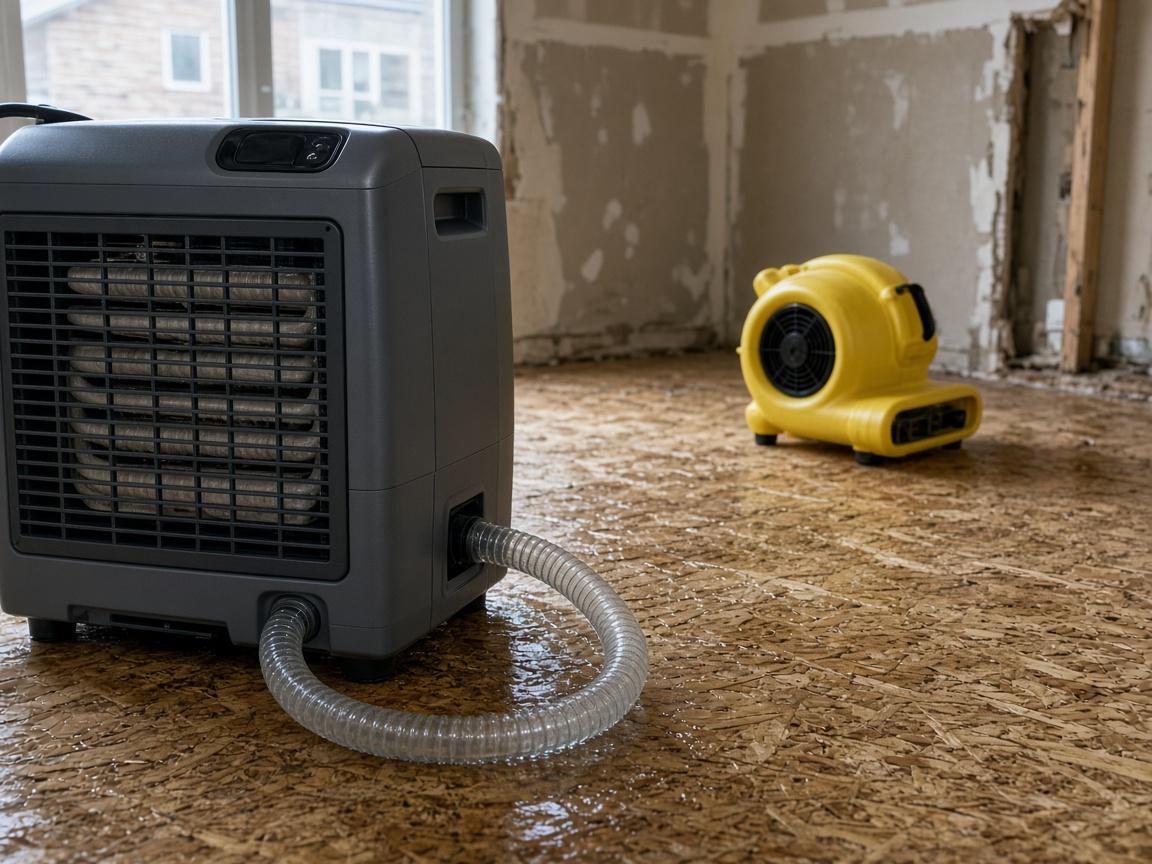
  • Structural drying and dehumidification
  • Moisture mapping so you can see what's actually dry
  • Flood, basement, ceiling, and storm damage
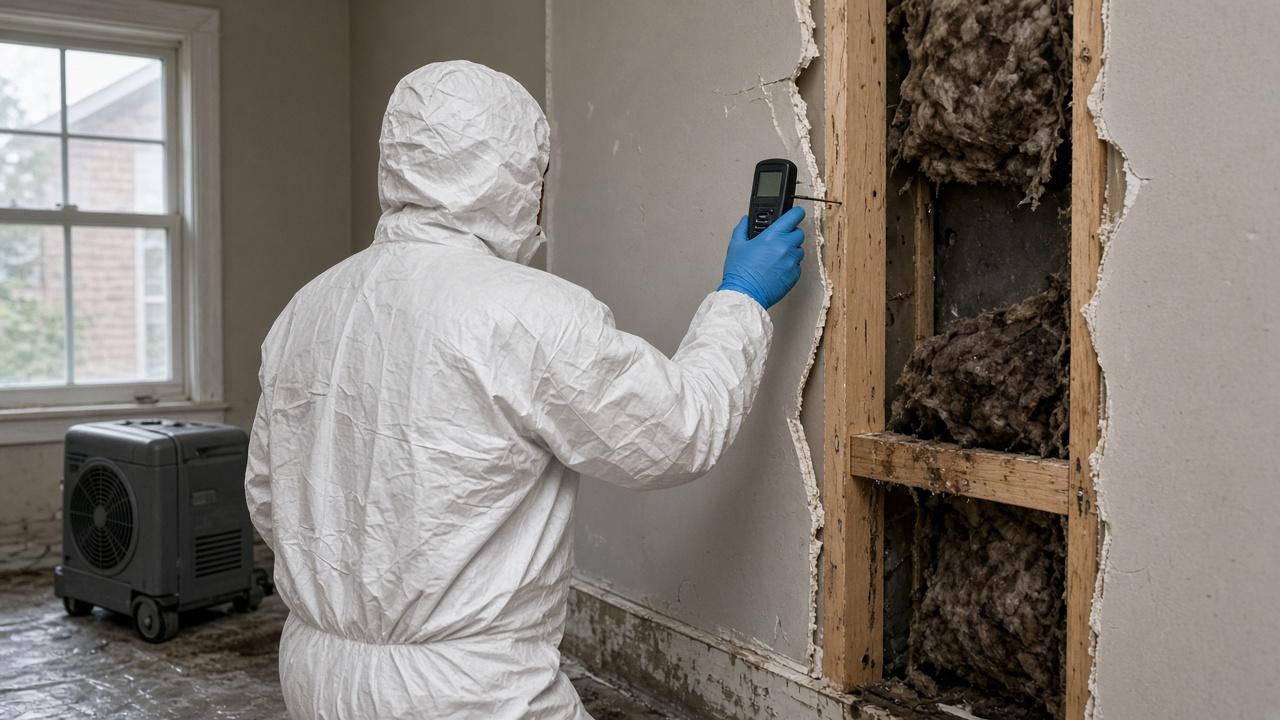
Water damage restoration
Mold remediation containment set up in a Halifax property
Focus Two

Mold Removal & Remediation

Even a well-handled water loss can leave moisture in places you can't see. When mold shows up behind a wall or under a floor, that's the second half of the job.

  • Mold inspection and moisture checks
  • Containment and air filtration during work
  • Removal of affected materials
  • Clearance testing before rebuild starts
Mold removal and remediation
Why We Do Both

How a Water Loss Turns Into a Mold Problem

Most mold in a home starts as a water problem that wasn't fully dried. Seeing the whole path is why we focus where we do.

  1. Step 1

    Water gets in

    A pipe, a storm, a backed-up drain. Drywall, subfloor, and insulation start soaking it up right away.

  2. Step 2

    Water comes out

    Extraction pulls out the standing water so less of it ends up inside the walls and framing.

  3. Step 3

    The structure dries

    Dehumidifiers and air movers go after the moisture extraction can't reach, with readings to show progress.

  4. Step 4

    Mold gets checked

    Damp cavities and hidden spots get a look, because mold can start in wet materials within a day or two.

  5. Step 5

    Remediate and clear

    If mold is found, containment and removal come first. Then the area is tested before anything gets rebuilt.

Restoration technicians checking a Halifax property for moisture
Documented drying
Moisture logs help when you're talking to your insurance adjuster.
The Way We Look at It

Drying and Mold Checks Belong in the Same Conversation

A lot of water damage jobs end when the floor looks dry. That's usually where the trouble starts. Wet insulation, damp framing, and moisture trapped behind baseboards don't show up to the eye, but they're exactly what mold needs.

So we think about the whole stretch, from the first phone call to the point where the property tests clear. Get the water out. Dry it properly. Check for mold. If it's there, deal with it safely, with the rest of your home protected.

That's also why we like to explain things plainly. You should know what's being done, why, and what the readings say.

All water categories, including sewage
Hidden moisture, not just what you can see
Mold inspection after drying
Clear explanations at every step
Standards

The Benchmarks Behind the Work

IICRC Certified

The IICRC sets the industry standard for water damage restoration and mold remediation. Our crews hold active certification, which is what Nova Scotia insurers recognise.

Licensed and insured

Restoration means demolition, heavy equipment, and work inside your home. Licensing and liability insurance for Nova Scotia are part of doing it properly.

IICRC CertifiedLicensed & Insured
Local Knowledge

Halifax Homes Have Their Own Water Problems

A wet Atlantic climate

Halifax gets a lot of rain and a lot of humid air. Both slow down drying and give mold more to work with.

Older foundations

Many North End, South End, and Dartmouth homes have older foundations and aging plumbing. Water finds a way in.

Combined sewers and ice dams

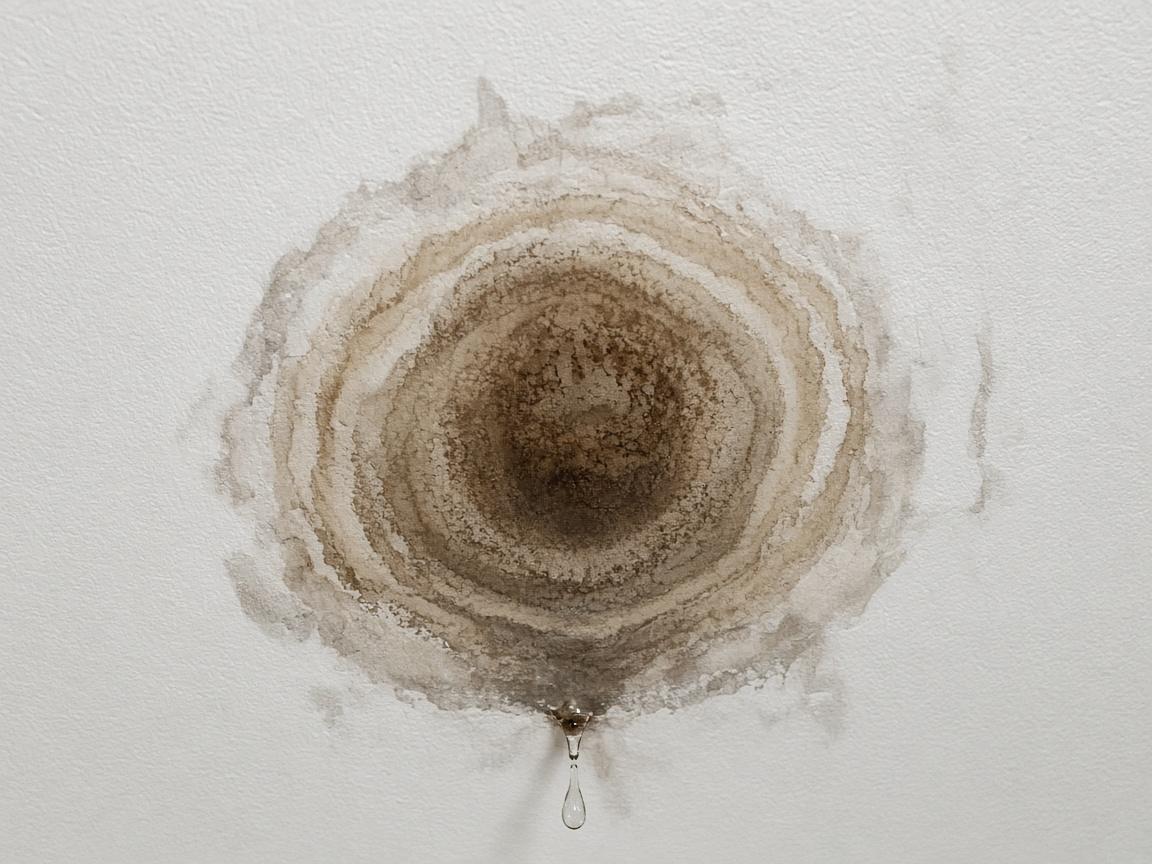
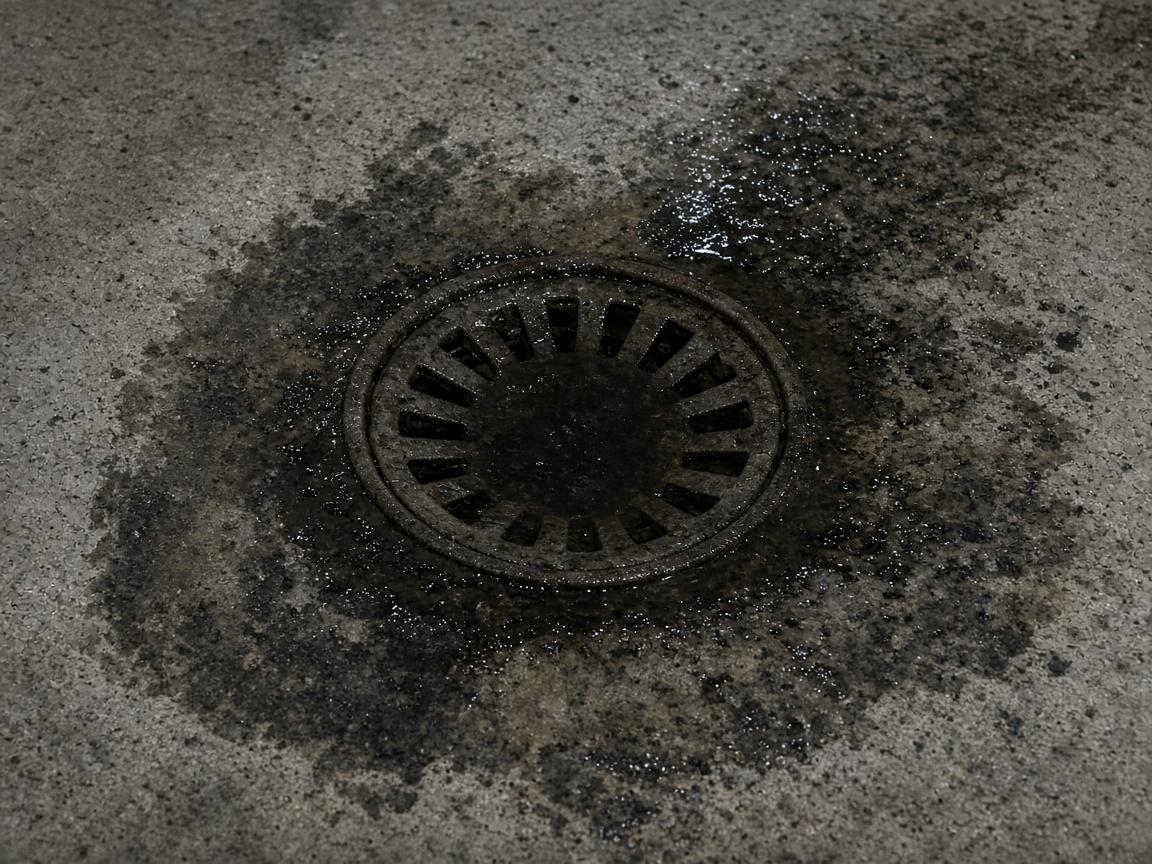
Heavy rain can push sewage back into basements, and winter ice dams can send meltwater into ceilings weeks after a storm.

Coastal storms

Nor'easters and post-tropical storms drive rain sideways and bring flooding to harbour and shoreline properties.

Available 24/7

Water Damage or Mold Worries? Call Us First.

Call or send a message and Halifax Water Damage Restoration will help you figure out the next step, whether that's drying out a wet basement or checking for mold after a leak.