Ceiling Water Damage Repair in Halifax, NS
Ceiling water damage repair for Halifax homeowners: roof leaks, burst pipes above ceilings, and upstairs plumbing failures.
Ceiling Water Damage Repair in Halifax — From Roof Leaks to Burst Pipes
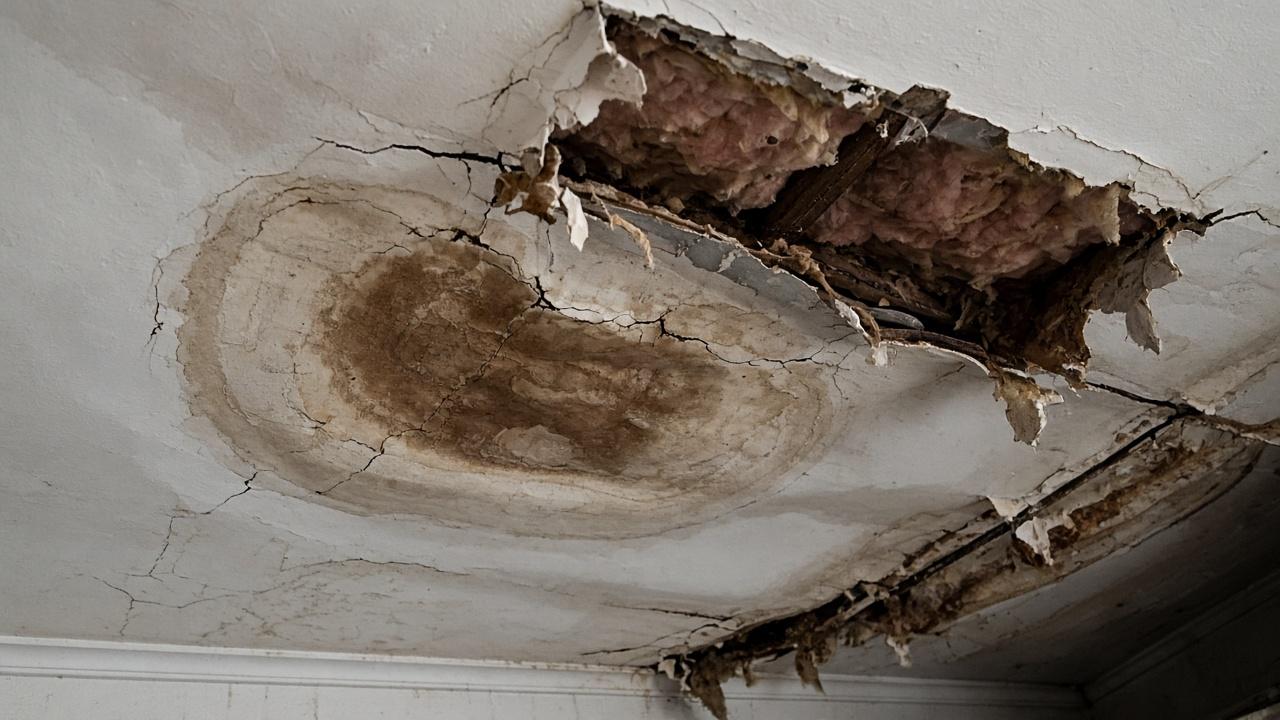
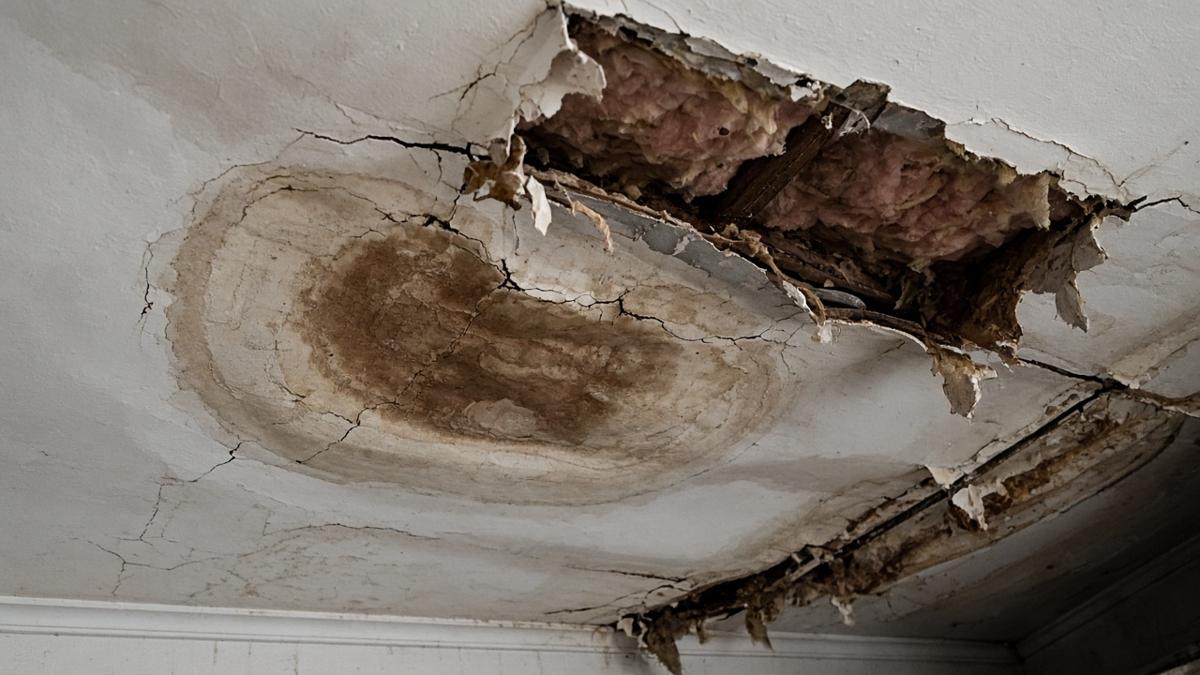
A water stain on the ceiling is never just a stain. By the time water is visible on your ceiling surface, there's a saturated cavity above it — insulation that's absorbed water like a sponge, framing that's been wet long enough to start softening, and potentially active mold growth in a dark, wet space that doesn't get any airflow.
Halifax's weather is particularly hard on ceiling integrity. Our winter ice dams — formed when attic heat melts snow at the ridge and refreezes at the eave — create a dam that backs water up under shingles and into the attic assembly. Nor'easters that drive rain at angles our standard eave flashings weren't designed to resist push water into fascia boards and ceiling cavities. Spring melt stress-tests every flashing detail at once.
Ceiling water damage also comes from inside the house: a slow drip from an upstairs bathroom that's been saturating the subfloor and ceiling below for months before the stain appears, a washing machine supply line that lets go, a dishwasher that's been leaking past its door seal. Halifax Water Damage Restoration connects Halifax homeowners with ceiling repair specialists who can identify the source, document the damage, dry the assembly properly, and restore your ceiling to like-new condition.
Water damage gets worse every hour it sits. Call us and a certified crew will be dispatched to your Halifax property.
902-904-0526Send a MessageCertifications
Ceiling Water Damage Repair Services in Halifax
Ceiling water damage repair involves multiple disciplines — finding the source, drying the assembly, and restoring the finish:
Leak Source Identification
Thermal imaging and moisture mapping locate the origin of the water intrusion — whether it's a roof flashing, ice dam, plumbing leak, or HVAC condensate issue.
Ceiling Cavity Assessment
The extent of moisture in the ceiling assembly — insulation, vapour barrier, joists, and subfloor above — is mapped before any repair work begins.
Controlled Ceiling Demo
Damaged drywall, plaster, or T&G ceiling material is carefully removed to expose the wet assembly and allow proper drying access.
Insulation Removal & Replacement
Wet insulation is always removed. It cannot be adequately dried in place and holds moisture against framing, accelerating rot and mold growth.
Joist & Framing Drying
Ceiling joists and framing exposed by water intrusion are assessed for moisture content and dried with directed air movement and dehumidification.
Mold Inspection & Treatment
The dark, moist environment above a ceiling is ideal for mold growth. Post-demo inspection and antimicrobial treatment are standard on all ceiling water damage jobs.
Ceiling Reconstruction
New drywall, tape, mud, texture, and paint restore the ceiling to match surrounding finishes. Popcorn texture matching, smooth finish, and various ceiling profiles are all handled.
Source Repair Coordination
Where the water source is a roofing, plumbing, or mechanical issue, we coordinate with the appropriate trades to ensure the source is fixed before reconstruction begins.
Why Halifax Ceilings Are Particularly Vulnerable
Halifax's roof climate is demanding. We average over 1,400 mm of precipitation annually, including significant snowfall that creates ice dam conditions from December through March. Ice dams form when heated attic air melts snow at the ridge; the meltwater runs down the roof deck to the cold eave overhang, where it refreezes and creates a dam. Subsequent meltwater backs up behind this dam and forces its way under shingles, through the underlayment, and into the ceiling assembly below.
The tell-tale signs of ice dam damage are water stains at exterior walls — particularly in corner areas and along eave lines. But the water entry point may be several feet from where the stain appears on the ceiling, because water travels along framing and vapour barriers before it finds a penetration point. This is why thermal imaging is essential — it finds the actual moisture path, not just where it ended up.
Halifax's older housing also presents specific ceiling challenges. Homes built before 1970 often have plaster ceilings rather than drywall. Plaster absorbs and holds moisture differently, and it's much heavier — a saturated plaster ceiling can fail structurally, dropping large sections of heavy material without warning. If your older Halifax home has water damage to a plaster ceiling, don't stand under it.
The attic as a secondary damage zone is also worth discussing. When water enters through the roof and saturates attic insulation, the insulation loses its R-value and becomes a moisture reservoir. Wet fiberglass batt and wet blown cellulose both lose most of their insulating value when saturated and can take months to dry naturally — if they dry at all. Removing and replacing attic insulation is often the right call after a significant roof leak, both for moisture management and to restore the thermal performance of the building envelope.
Ceiling Water Damage Repair Process in Halifax
Here's how a ceiling water damage repair job unfolds from the first call:
- 1
Inspection & Source Identification
Thermal imaging and moisture meters map the ceiling assembly and trace the water pathway back to its source — be it roof, plumbing, or HVAC.
- 2
Source Control
The water intrusion source is stopped before restoration begins. A temporary tarp is placed on the roof if needed; plumbing is capped and repaired.
- 3
Ceiling Demo
Damaged ceiling material is carefully removed. The extent of demo is determined by moisture readings — not just by what looks damaged.
- 4
Insulation Removal
All wet insulation above the affected area is removed. Framing is inspected for rot and mold.
- 5
Drying & Treatment
Framing and subfloor above are dried with directed air movement. Antimicrobial treatment is applied to all exposed surfaces.
- 6
Mold Clearance
Once dry, a mold assessment confirms no colonisation before reconstruction begins.
- 7
Insulation & Ceiling Rebuild
New insulation, vapour barrier, drywall, tape, and finish are installed. Ceiling texture and paint match the surrounding area.
- 8
Source Repair Verification
A water test or inspection of the repaired source confirms the intrusion pathway is permanently addressed before closing up.
Why Ceiling Repairs Need a Restoration Specialist
A drywall contractor can replace the ceiling. A restoration specialist ensures the cavity is dry, treated, and safe before the ceiling goes back up:
Source-First Approach
Rebuilding a ceiling without fixing the source is just setting up the same damage again. We identify and coordinate source repair before any reconstruction happens.
Hidden Cavity Drying
The framing and subfloor above the ceiling need to reach target moisture content before they're enclosed again. Skipping this step traps moisture and creates the conditions for mold growth inside the wall assembly.
Finish-Quality Restoration
A ceiling that doesn't match the surrounding texture and paint is a daily reminder of the damage. Our crews deliver finishes that blend seamlessly.
Common Questions About Ceiling Repair in Halifax
My ceiling has a water stain but isn't wet anymore. Do I still need restoration?
Possibly, yes. A dry stain means the active water intrusion has stopped, but you still need to find out what caused it, confirm there's no residual moisture in the cavity above, and check for mold growth in the framing and insulation. A stain alone doesn't mean the assembly is properly dry or mold-free.
Can I paint over a water stain on my ceiling?
Painting over a water stain is a cosmetic fix only. It doesn't address any moisture in the assembly above, doesn't treat any mold, and doesn't prevent staining from returning. Stain-blocking primer will hide the stain temporarily, but if there's residual moisture or active mold, it will re-appear.
How do I know if my ceiling is about to collapse from water damage?
Warning signs: ceiling surface bulging or sagging, paint peeling or bubbling, visible wet spots that are wet to the touch, crackling or crumbling sounds, and discolouration beyond the stain area. For older homes with plaster ceilings, sagging is a particularly serious warning — evacuate the area and call immediately.
Related Restoration Services
Halifax Water Damage Restoration handles all water-related restoration needs across Halifax and the surrounding region. Return to the homepage for a full overview of what we do.
Ready to Get Your Ceiling Repair Started?
Call now and we'll connect you with a certified ceiling repair specialist serving Halifax, NS and surrounding areas.