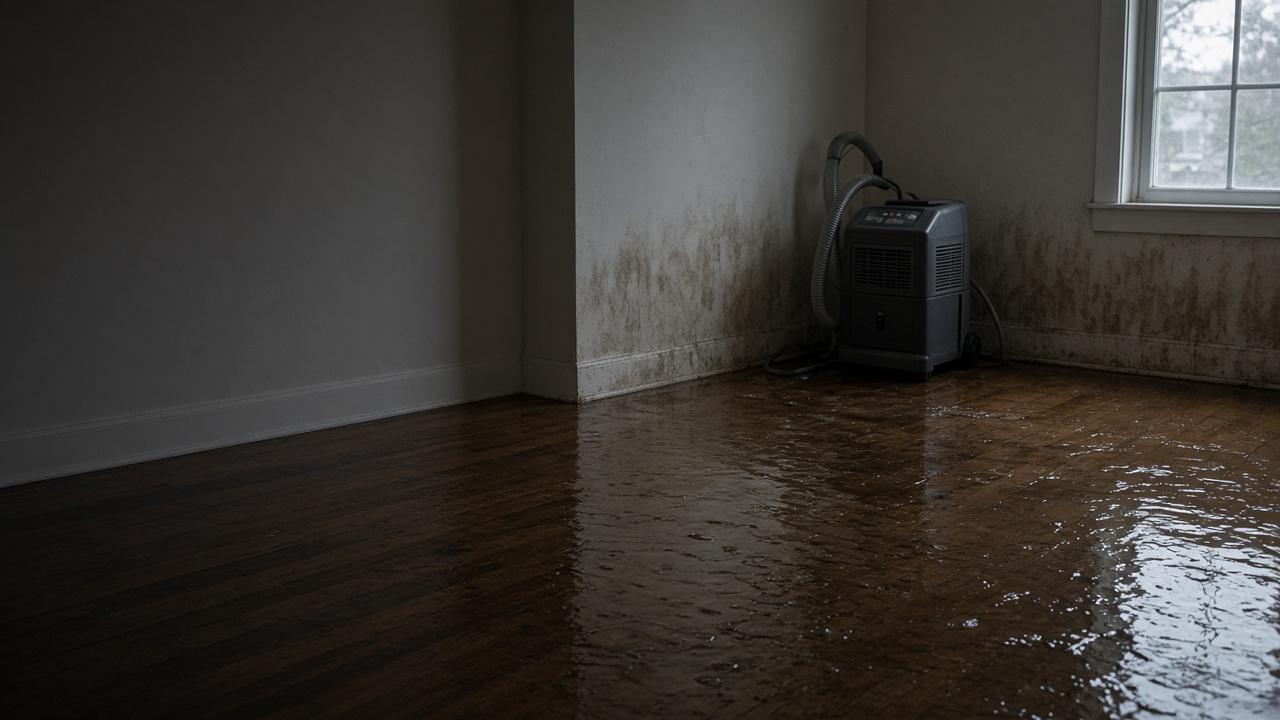
Water Damage Restoration in Halifax, NS
Full-scope water damage restoration for Halifax homes and businesses: from emergency extraction to structural rebuild.
Water Damage Restoration in Halifax — Full Recovery, Start to Finish
Water damage is one of the most disruptive things that can happen to a Halifax home or business. Whether it's a burst supply line, a failed sump pump, storm flooding, or a slow roof leak that's finally saturated your ceiling joists, the timeline from 'manageable' to 'gut everything' is measured in hours — not days.
Halifax Water Damage Restoration connects you with IICRC-certified water damage restoration crews who know Nova Scotia construction, understand our climate's humidity challenges, and carry the industrial-grade equipment needed to stop moisture in its tracks. We're talking truck-mounted extractors that pull hundreds of gallons per hour, LGR dehumidifiers calibrated for Atlantic humidity, and moisture meters and thermal imaging cameras that find hidden pockets of saturation before they become mold.
Water damage restoration isn't just about drying things out. It's a structured, documented process that protects your property, supports your insurance claim, and ensures your home is genuinely safe to live in when the job is done. That's the standard every contractor in our network holds themselves to.
Water damage gets worse every hour it sits. Call us and a certified crew will be dispatched to your Halifax property.
902-904-0526Send a MessageCertifications
What Our Water Damage Restoration Service Covers
A full water damage restoration job in Halifax involves far more than mopping up standing water. Here's what a proper restoration engagement looks like from start to finish:
Emergency Water Extraction
Truck-mounted and portable extraction units remove standing water from all affected areas — floors, carpets, wall cavities, crawl spaces, and basements.
Moisture Mapping & Thermal Imaging
Calibrated moisture meters and thermal cameras identify hidden saturation in walls, subfloors, and ceiling cavities before it becomes a mold problem.
Structural Drying & Dehumidification
Industrial LGR dehumidifiers and high-velocity air movers create the optimal drying environment to bring materials back to acceptable moisture content — typically within 3–5 days.
Content Manipulation & Pack-Out
Furniture, personal belongings, and equipment are moved, protected, and if necessary, packed out for off-site drying and storage during the restoration process.
Antimicrobial Treatment
Affected surfaces are treated with EPA-registered antimicrobial agents to prevent mold and bacterial growth in the critical 24–48 hour window after water exposure.
Structural Repair & Rebuild
Once moisture readings confirm adequate drying, structural repairs — drywall, insulation, flooring, trim — are completed to bring your property back to pre-loss condition.
Insurance Documentation
Complete moisture logs, drying reports, and photo documentation are compiled to support your insurance claim and justify the scope of work performed.
Final Clearance Testing
Post-drying moisture readings confirm all materials are within the target range before equipment is removed and the job is signed off.
Why Water Damage Restoration in Halifax Needs a Local Specialist
Halifax's climate creates specific challenges that generic restoration advice doesn't address. Our Atlantic humidity — especially in late summer and fall — means that ambient air conditions can actually work against the drying process if equipment isn't properly calibrated. An inexperienced crew that sets dehumidifiers and air movers without adjusting for outdoor dew point can introduce more moisture than they remove.
The housing stock in Halifax also skews older. Many homes in the North End, South End, and Dartmouth were built with materials that respond to water very differently than modern construction: true 2x4 lumber swells and warps; wood-frame with no vapour barrier allows moisture to migrate through wall assemblies; older plaster walls absorb water differently than modern drywall. IICRC-certified technicians understand these variables and adjust their drying approach accordingly.
There's also the mold factor. Halifax averages over 1,400 mm of rainfall per year, and our basements, crawl spaces, and attics tend to run at higher relative humidity than drier inland cities. When water damage hits, mold risk is elevated. Proper restoration means addressing not just visible water, but the invisible moisture gradient that drives mold growth inside wall cavities, under flooring, and in attic framing.
Insurance is another reason to use a credentialed restoration company. Nova Scotia insurers expect to see IICRC-standard documentation — drying logs, psychrometric readings, scope reports — before they process major water damage claims. A crew that just mops up and leaves you with photos on a phone won't cut it when your adjuster asks for moisture data.
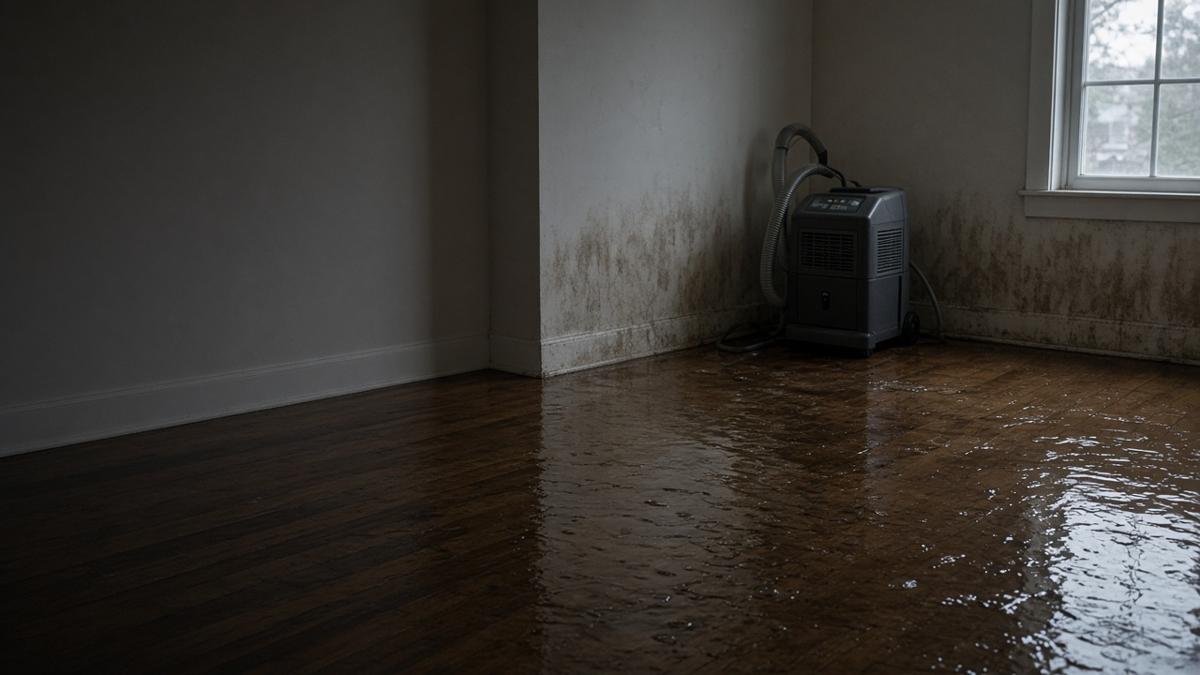
The Water Damage Restoration Process, Step by Step
Here's exactly what happens from the moment you call through to full restoration:
- 1
Fast Response & Assessment
A certified technician arrives at your Halifax property and conducts a full walkthrough, identifying the source of water intrusion, categorising water type (clean, grey, or black), and mapping the extent of damage using moisture meters and thermal imaging.
- 2
Water Extraction
Truck-mounted extractors — which can pull 500+ gallons per hour — remove all standing water. Portable units handle stairs, tight spaces, and areas the truck-mount can't reach. Carpets, carpet pads, and any non-salvageable materials are removed.
- 3
Drying Equipment Placement
LGR dehumidifiers and high-velocity air movers are strategically placed based on the volume of wet materials. The number and placement of units is calculated, not guesswork.
- 4
Daily Monitoring
Technicians visit your property daily (or more frequently if needed) to record moisture readings, adjust equipment placement, and confirm the drying curve is on track. These readings are logged for your insurance claim.
- 5
Antimicrobial Application
Once extraction is complete, affected surfaces receive an EPA-registered antimicrobial treatment to prevent mold colonisation during the drying process.
- 6
Material Removal (If Required)
If drywall, insulation, or flooring has absorbed beyond the salvageable threshold, it's carefully removed, documented, and disposed of properly. This step is determined by moisture readings — not appearances.
- 7
Clearance Testing & Equipment Removal
Final moisture readings confirm all structural materials are within IICRC-standard acceptable moisture content. Only then is drying equipment removed and the job declared dry.
- 8
Reconstruction & Handoff
With the structure dry and documented, reconstruction begins: insulation, drywall, flooring, paint, and trim. A final walkthrough confirms your property is restored to pre-loss condition.
Why Halifax Property Owners Choose Our Network
Not all water damage companies are the same. Here's what sets the contractors in our Halifax network apart:
IICRC Certified
Every technician holds current IICRC certification — the industry benchmark that Nova Scotia insurers recognise.
Industrial Equipment, Not Hardware Store Fans
LGR dehumidifiers, desiccant systems, truck-mounted extractors, and thermal imaging cameras. The gear that actually dries structures, not the gear that looks like it might.
Insurance-Ready Documentation
Full psychrometric logs, moisture mapping reports, scope of work documentation, and photo sets that give your adjuster everything they need to process your claim efficiently.
Common Questions About Water Damage Restoration in Halifax
How quickly does water damage restoration need to start?
The sooner the better. Mold can begin growing within 24–48 hours in Halifax's humid climate. The first few hours are about stopping the source and extracting standing water. Waiting even 12–24 hours can mean the difference between drying in place versus removing structural materials.
Does my Nova Scotia home insurance cover water damage restoration?
Most homeowner policies in Nova Scotia cover sudden and accidental water damage — a burst pipe, appliance failure, or roof breach that lets water in. Gradual seepage, overland flooding, and sewer backup are usually separate coverages. Check your policy and call us — we help you understand what you're working with before a crew arrives.
Can you dry walls without opening them?
In some cases, yes. Injectidry systems and wall cavity drying attachments allow dehumidified air to circulate inside wall assemblies without opening the wall. Whether this approach works depends on the volume of water, material type, and how long it's been wet. Our technicians assess this on-site and choose the approach that protects your structure most effectively.
How long does water damage restoration take in Halifax?
Drying typically takes 3–5 days for a standard residential water loss. Reconstruction depends on scope — a small area might be patched and painted in a day; a full basement gut-and-rebuild could take 2–4 weeks. We provide a detailed scope and timeline before work begins.
What's the difference between water damage restoration and water damage repair?
Restoration is the full process: extraction, drying, mitigation, and rebuilding. Repair typically refers to the physical reconstruction phase — fixing drywall, flooring, and finishes after the structure is properly dried. Both happen in sequence, and it's important to do restoration (drying) correctly before repair begins.
Related Restoration Services
Halifax Water Damage Restoration handles all water-related restoration needs across Halifax and the surrounding region. Return to the homepage for a full overview of what we do.
Ready to Get Your Water Damage Restoration Started?
Call now and we'll connect you with a certified water damage restoration specialist serving Halifax, NS and surrounding areas.