Storm Damage Restoration in Halifax, NS
Storm damage restoration for Halifax properties hit by wind, heavy rain, hail, or coastal storm surges: water intrusion to structural repair.
Storm Damage Restoration in Halifax — When Atlantic Weather Hits Home
Halifax knows storms. We sit at the intersection of the Labrador Current and Gulf Stream — an atmospheric mixing zone that generates some of the most intense weather systems in Canada. Nor'easters, post-tropical systems, and severe thunderstorms are a regular part of life on the Atlantic coast. And with climate patterns shifting, the severity and frequency of those events has increased measurably over the past decade.
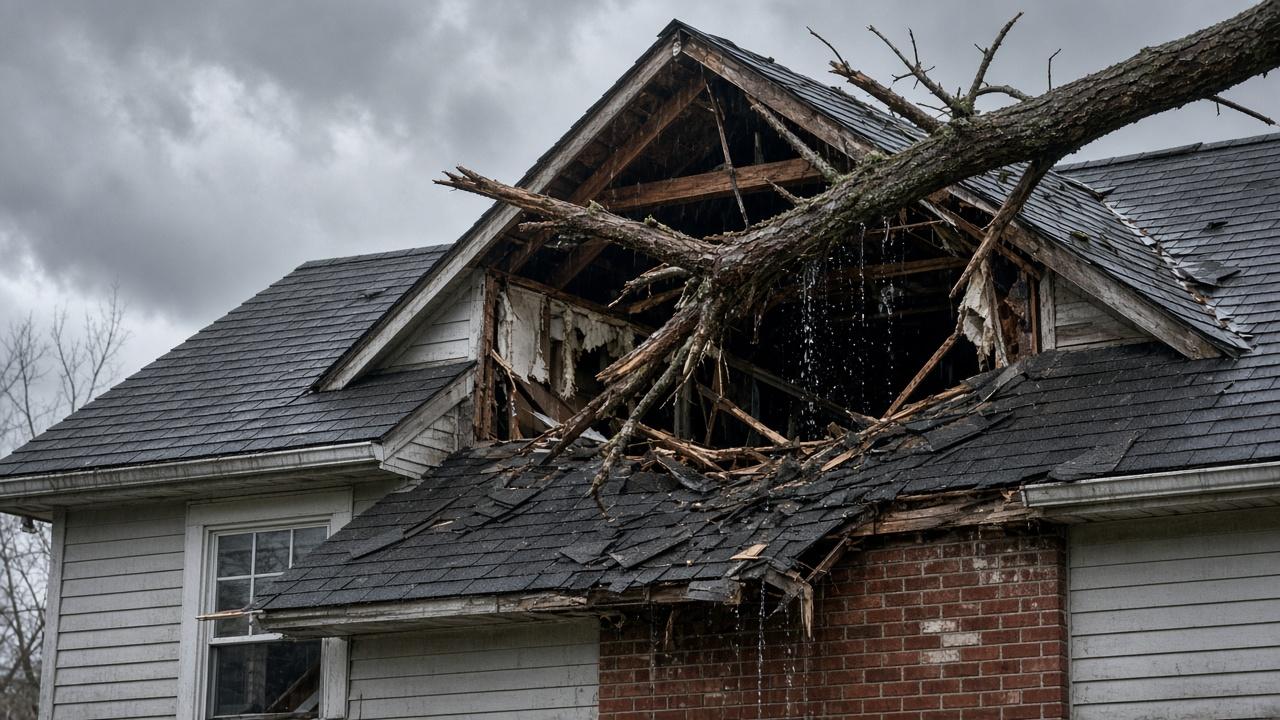
Storm damage to Halifax properties takes multiple forms. Wind drives rain under flashing and through roofing details that perform fine in ordinary conditions. Hail compromises shingles and creates water entry points that may not show up as leaks immediately. Coastal storm surge — a growing concern as sea levels rise — pushes salt water into low-lying properties. Combined sewer systems overflow as storm drains exceed capacity. Trees fall on roofs, opening them to wind and rain exposure. Each of these scenarios creates a water damage restoration challenge with specific protocol requirements.
Halifax Water Damage Restoration connects Halifax property owners with storm damage restoration crews that respond quickly, have the equipment to handle large-scale losses, and understand the specific failure modes that Nova Scotia storms create. Storm damage claims are also time-sensitive — documentation of pre-restoration conditions is critical to a successful insurance outcome.
Water damage gets worse every hour it sits. Call us and a certified crew will be dispatched to your Halifax property.
902-904-0526Send a MessageCertifications
Storm Damage Restoration Services in Halifax
Storm damage restoration covers everything from emergency tarping through to full rebuild:
Emergency Tarping & Board-Up
When a storm breaches your roof or creates a wall opening, the priority is stopping further water intrusion. Emergency tarping and board-up secures the property before restoration begins.
Storm Surge & Flood Cleanup
Coastal storm surge and overland flooding during Halifax storm events involves Category 3 water — contaminated and requiring full decontamination protocol.
Wind-Driven Rain Intrusion
Rain driven by high winds penetrates building envelopes through roofing, window, and wall details not designed for the angle of attack. We trace the water pathway and address all affected assemblies.
Tree Impact & Structural Breach
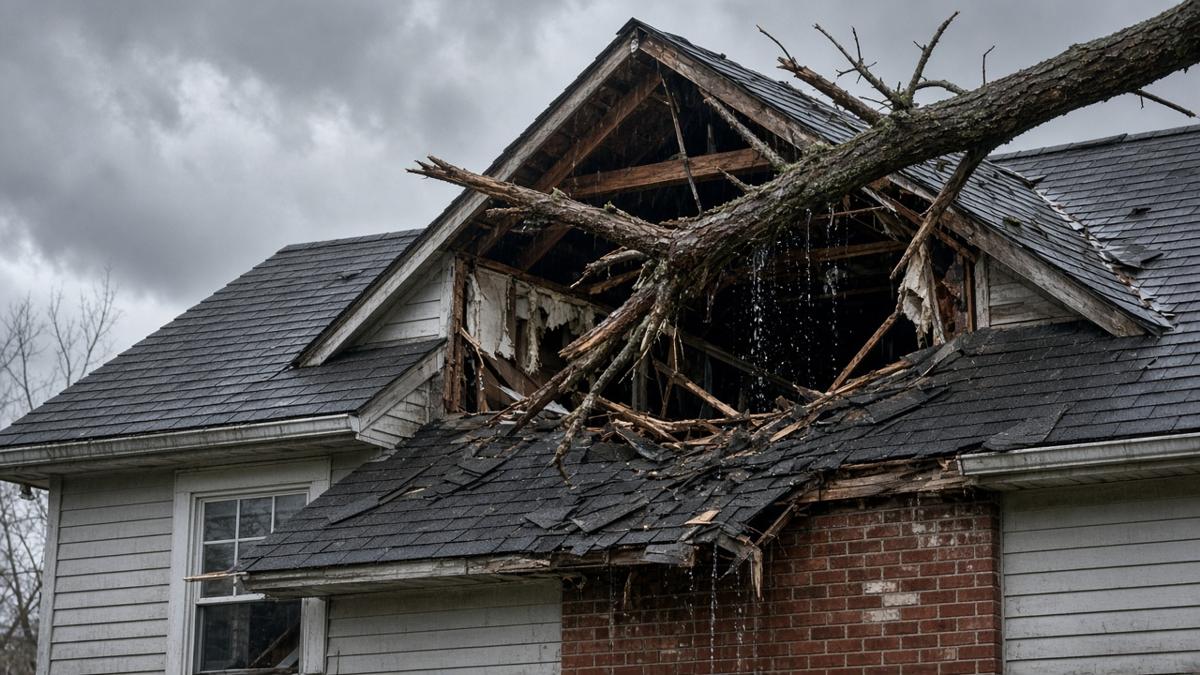
When a tree falls on a Halifax home, the immediate structural breach exposes the interior to weather. Emergency shoring, debris removal, and weatherproofing are the first steps before restoration.
Roof Damage Assessment & Water Intrusion Repair
Hail and wind damage to roofing creates water entry points that may not manifest as visible leaks for weeks or months. Thermal imaging identifies where water has entered and tracked through the assembly.
Structural Drying After Storm Events
Large-scale storm losses require significant drying capacity — multiple dehumidifier and air mover systems deployed throughout the affected structure.
Mold Prevention
Storm events that go undetected or where temporary repairs delay restoration create elevated mold risk. Antimicrobial treatment and expedited drying prevent mold establishment.
Full Structural Restoration
From the first call through to final paint and trim, we restore storm-damaged Halifax properties to pre-loss condition.
Halifax's Storm Risk Profile — What Property Owners Need to Know
The Halifax Regional Municipality experiences significant weather events throughout the year, but the risk profile changes seasonally. Winter brings nor'easters — low-pressure systems that track up the Atlantic seaboard and dump heavy snow, freezing rain, and wind-driven precipitation on HRM. These events create ice dams, load flat roofs beyond their design capacity, and can drive moisture through exterior wall assemblies that are designed to manage vertical precipitation but not the lateral loads that high winds produce.
Spring and fall bring the greatest storm surge risk. Post-tropical systems — former hurricanes that have transitioned to extratropical cyclones but retain significant wind and wave energy — affect Halifax most often in September and October. Hurricane Juan (2003) and post-tropical storm Dorian (2019) caused significant property damage throughout HRM, with storm surge affecting harbour-adjacent properties in Halifax and Dartmouth, and wind damage widespread across the municipality.
Summer severe weather in Halifax most commonly involves heavy convective rainfall — short, intense rain events that overwhelm drainage systems, including combined sewer infrastructure. Low-lying properties and those in flood-prone watershed areas are most affected. Climate data shows a trend toward more intense precipitation events — more rain delivered in a shorter window — which increases peak flow in drainage systems and the frequency of sewer backup and overland flooding events.
Storm damage insurance claims in Nova Scotia are subject to specific documentation requirements. Most importantly: the cause of the loss must be identified as a sudden event, not gradual deterioration. A roof that was already failing before the storm doesn't become a covered loss just because a storm occurred. Pre-storm condition documentation — and prompt post-storm assessment that captures the storm-specific damage — supports a clean claim and appropriate coverage.
Storm Damage Restoration Process in Halifax
Storm losses require a phased approach — secure first, restore second:
- 1
Emergency Deployment
Our crew responds to your Halifax property as soon as it's safe to do so after the storm event. Active flooding, downed power lines, and structural hazards are assessed before entry.
- 2
Damage Documentation
Full photo and video documentation of all storm damage before any materials are moved or emergency work begins — essential for your insurance claim.
- 3
Weatherproofing
Roof breaches are tarped, window openings are boarded, and structural breaches are temporarily shored to stop further water intrusion while permanent repairs are planned.
- 4
Water Intrusion Assessment
Thermal imaging and moisture meters map all affected assemblies — not just where water is visible, but where it has tracked through the building envelope.
- 5
Water Extraction & Initial Cleanup
Standing water is extracted. Debris removed. Non-salvageable materials are assessed and documented before removal.
- 6
Structural Drying
Industrial drying equipment is deployed throughout the affected structure. Daily monitoring tracks progress and confirms drying is on schedule.
- 7
Insurance Adjuster Coordination
We work with your adjuster — providing scope of work, documentation, and moisture data to support a complete and fair claim assessment.
- 8
Structural Restoration
With drying confirmed and adjuster approval received, full restoration begins — roofing, framing, insulation, drywall, flooring, finishes.
Why Halifax Storm Survivors Choose Our Network
After a major storm, you need a restoration partner who can handle the scale. Here's what our Halifax network provides:
Scalable Response Capacity
A major storm event can affect hundreds of Halifax properties simultaneously. Our network has the crew and equipment capacity to respond at scale.
Insurance Claim Expertise
Storm damage claims are complex. Our contractors know what documentation adjusters need and provide it — reducing delays and disputes.
Full-Scope Capability
From emergency tarping to finished carpentry, one company handles the whole job. No handoffs between trades, no gaps in scope.
Common Questions About Storm Restoration in Halifax
Does Nova Scotia home insurance cover storm damage?
Yes — wind, hail, and weight-of-ice storm damage is covered under standard Nova Scotia homeowner policies (subject to your deductible). Overland flooding from storm surge is typically not covered without a separate overland flood endorsement. Sewer backup coverage is also typically a separate rider. After a storm, call your insurer and us at the same time — documenting the loss early protects your claim.
My roof was damaged in a storm but isn't leaking yet. Should I call?
Yes, immediately. Hail and wind damage to shingles may not produce a leak right away, but the underlying damage creates water entry points that will manifest as interior damage when the next significant rain arrives. A post-storm inspection identifies the damage while it's still clearly storm-related — before ambient moisture conditions muddy the causation.
How long does storm damage restoration take in Halifax?
Initial weatherproofing can be completed within hours to days. The full restoration timeline depends on scope — a single-room water intrusion repair might take a week; a major storm loss involving structural framing, roofing, insulation, and interior finishes across multiple rooms can take months. We provide a detailed scope and timeline at assessment.
Related Restoration Services
Halifax Water Damage Restoration handles all water-related restoration needs across Halifax and the surrounding region. Return to the homepage for a full overview of what we do.
Ready to Get Your Storm Restoration Started?
Call now and we'll connect you with a certified storm restoration specialist serving Halifax, NS and surrounding areas.