Sewage Backup Cleanup in Halifax, NS
Safe, discreet sewage backup cleanup and Category 3 black water remediation for Halifax homes and commercial properties.
Sewage Backup Cleanup in Halifax — Category 3 Remediation, Done Safely
Sewage backup is one of the most distressing water damage events a Halifax homeowner can face. It's also one of the most hazardous. Sewage is Category 3 water — highly contaminated with fecal bacteria, viruses, and pathogens. Materials that come into contact with sewage cannot be dried and reused; they must be removed, bagged, and disposed of properly. Surfaces that contact sewage require specific decontamination protocols, not just cleaning.
In Halifax, sewage backups typically result from three causes: the city's combined or sanitary sewer system backing up through floor drains during heavy rain or blocked mains; private septic system failures for homes outside the municipal sewer area; or individual drain line blockages that cause waste water to back up through drains, toilets, and floor openings. Each scenario has different considerations, but they all share one requirement: Category 3 protocol, fast.
Halifax Water Damage Restoration connects Halifax property owners with sewage cleanup specialists who understand the health risks, follow the proper protocols, and handle the job discreetly and efficiently. This is not a job for a general cleaner or a handyman — it requires certified technicians, proper PPE, HEPA filtration, appropriate disposal, and documentation that your insurer will accept.
Water damage gets worse every hour it sits. Call us and a certified crew will be dispatched to your Halifax property.
902-904-0526Send a MessageCertifications
Sewage Backup Cleanup Services in Halifax
Sewage backup remediation follows a strict Category 3 protocol that goes well beyond conventional cleaning:
Full PPE & Safe Practices
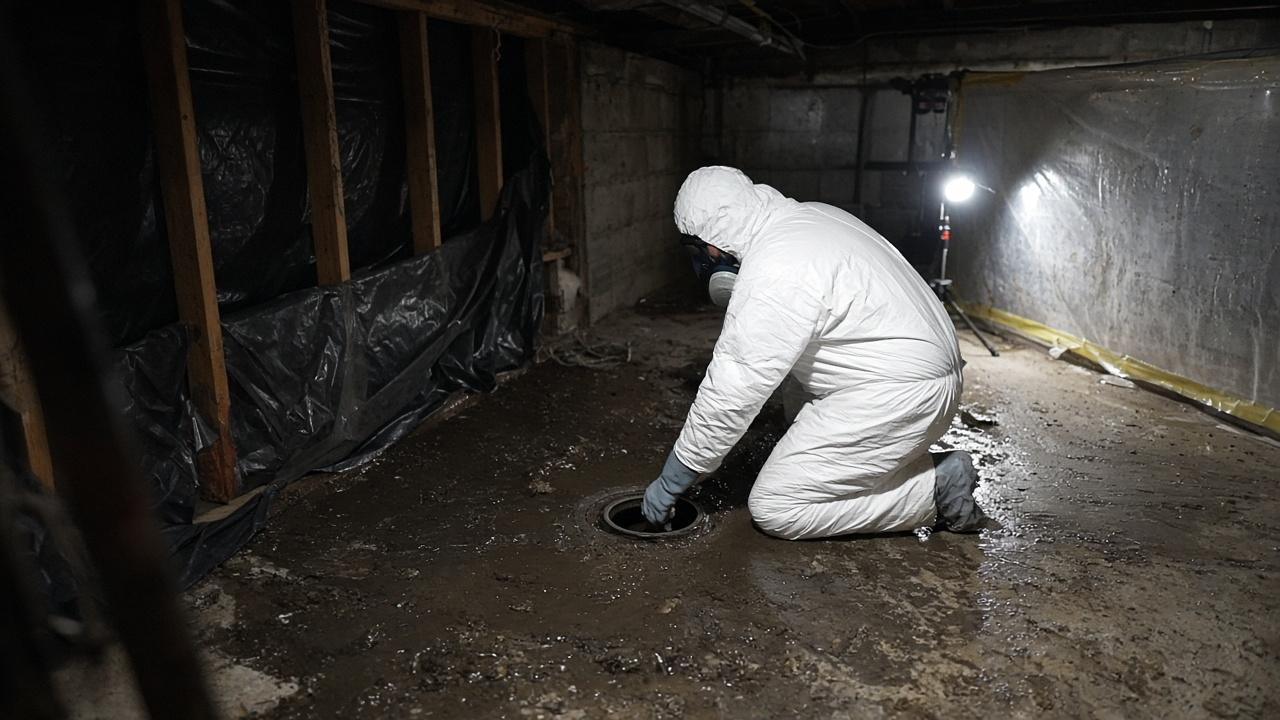
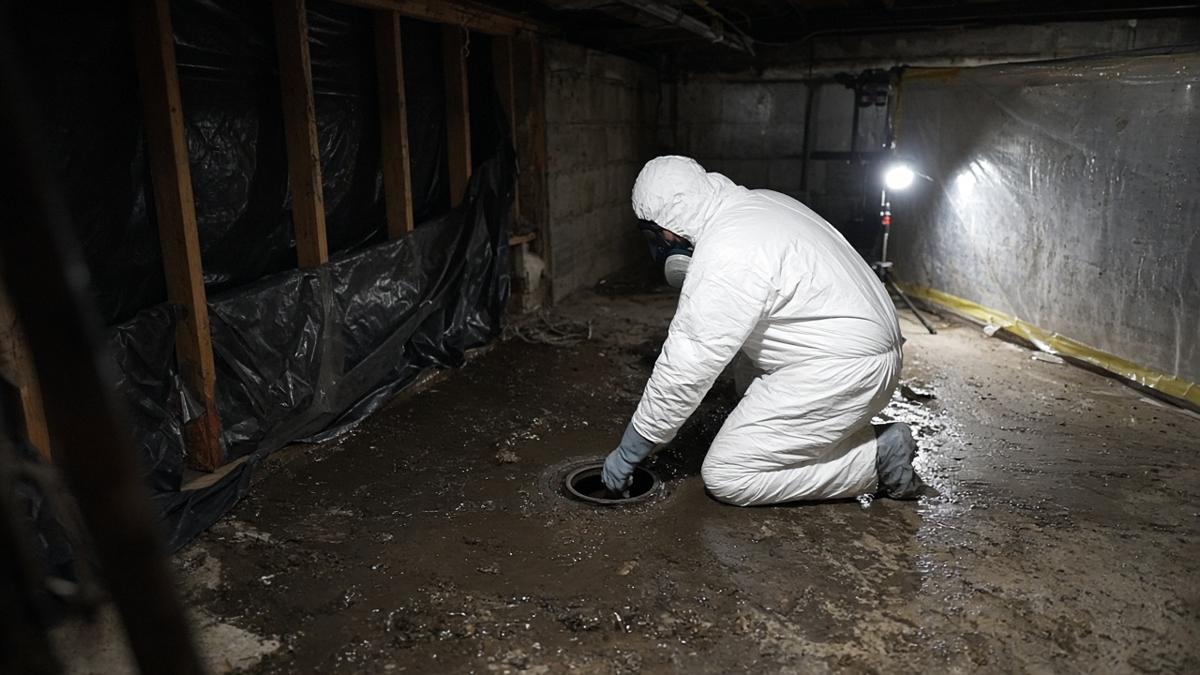
Sewage backup is a biohazard. Crew arrives in appropriate PPE — respirators, gloves, Tyvek — and follows containment and decontamination protocols throughout the job.
Sewage Extraction
Contaminated sewage water is extracted using appropriate waste handling equipment and disposed of per Nova Scotia environmental regulations — not discharged to a storm drain.
All Porous Material Removal
Carpet, pad, drywall, insulation, and any other porous material that contacted sewage is removed, double-bagged, sealed, and disposed of. These materials cannot be sanitised — only removed.
Surface Disinfection
Structural concrete, framing, and hard surfaces are cleaned with EPA-registered Category 3 appropriate disinfectants. Multiple cleaning rounds ensure full decontamination.
HEPA Air Filtration
Negative air machines with HEPA filtration run throughout the remediation to capture airborne contaminants and control odour spread to adjacent areas.
Odour Neutralisation
Hydroxyl generators and advanced deodorisation address sewage odour at the molecular level — neutralising, not masking the smell.
Post-Remediation Verification
Testing confirms contamination levels are within acceptable limits before reconstruction begins. Your health and your insurer's requirements both demand this step.
Full Reconstruction
Once clearance is confirmed, new flooring, drywall, insulation, and finishes restore the affected space to pre-loss condition.
Halifax Sewage Backup — Why It Happens and What's at Stake
Halifax's municipal sewer infrastructure is aging in many neighbourhoods. The North End, parts of Dartmouth, and older suburban areas of Bedford and Sackville have combined sewer infrastructure that carries both stormwater and sanitary sewage in the same pipe. During significant rain events — Halifax averages over 70 significant rain events per year — these systems can be overwhelmed. When capacity is exceeded, sewage has nowhere to go but back up through the lowest available point in the system, which is often a floor drain or toilet in a basement or ground-floor bathroom.
The health implications are serious and immediate. Raw sewage contains E. coli, Salmonella, Hepatitis A, norovirus, and a range of other pathogens. Exposure can cause gastrointestinal illness, skin infections, and respiratory issues if aerosolised particles are inhaled. The standard DIY response — bleach, mop, ventilate — is inadequate for the volume and concentration of pathogens in a significant sewage backup. This is precisely the scenario IICRC Category 3 protocol was developed to address.
The insurance dimension is important to understand. Nova Scotia home insurance policies that include sewer backup coverage will typically cover the cost of professional remediation including extraction, contaminated material removal, decontamination, and restoration. But the coverage is contingent on the cause (municipal backup vs. private line blockage vs. maintenance failure) and the documentation. Professional remediation with a written scope, photos, and categorical identification of the water source supports your claim and documents the health hazard that justifies the scope of work.
For Halifax properties on private septic systems — a significant portion of Fall River, Porters Lake, Musquodoboit Harbour, and other outlying HRM communities — sewage backup typically indicates a failure of the septic tank, distribution box, or leach field. Remediation of the interior damage must be coordinated with the septic system repair to prevent recurrence.
Sewage Backup Cleanup Process in Halifax
Here's how our certified crews handle a sewage backup from first call through to restoration:
- 1
Dispatch & Safety Assessment
Crew arrives in full PPE. The source of backup is identified (municipal, private line, septic) and the affected area is assessed for extent and material contact.
- 2
Containment Setup
Physical containment limits the affected zone. Negative air pressure prevents contaminated air from spreading to adjacent living areas.
- 3
Sewage Extraction
Contaminated water is extracted with appropriate equipment and waste handling. Disposal is per environmental regulations.
- 4
Porous Material Removal
All porous materials that contacted sewage are removed, double-bagged, sealed, and removed from the property for proper disposal.
- 5
Cleaning & Disinfection Round 1
Hard surfaces and framing are cleaned with Category 3 appropriate cleaning agents — physical removal of organic matter before disinfection.
- 6
Disinfection Round 2
EPA-registered disinfectants are applied to all structural surfaces. Contact time is observed per product specifications.
- 7
HEPA Filtration & Odour Control
Air scrubbers with HEPA filtration and hydroxyl generators run throughout and after the remediation process.
- 8
Post-Remediation Testing
Surface and air testing confirms contamination is within acceptable limits before any reconstruction begins.
- 9
Reconstruction
New flooring, drywall, and finishes restore the affected area. Source repair (drain line, septic) is verified as complete before closeout.
Why Sewage Cleanup Requires Certified Professionals
Sewage backup is a biohazard, not a cleaning problem. Here's why it demands certified technicians:
Health & Safety Compliance
Category 3 biohazard remediation follows strict protocols that protect both the occupants and the crew. General cleaners don't train for this.
Proper Waste Disposal
Contaminated sewage and materials can't just go in the dumpster. Proper classification and disposal per Nova Scotia environmental regulations is required.
Insurance-Defensible Scope
Adjusters need to see that Category 3 protocol was followed — that all porous materials were removed, not cleaned. Certified scope documentation makes the difference.
Common Questions About Sewage Cleanup in Halifax
Is sewage backup covered by Halifax home insurance?
Sewer backup coverage is typically a separate rider on Nova Scotia home insurance policies — it's not included in the standard policy. If you have sewer backup coverage and the cause is a municipal system backup (not private line blockage from a clog or maintenance failure), the remediation and restoration costs are generally covered. Review your policy for limits and exclusions.
Can I clean up a minor sewage backup myself?
Category 3 water cleanup without proper PPE is a health risk. Even a small amount of sewage involves significant pathogen concentration. For anything beyond a splash in an isolated, non-porous area, professional cleanup is the appropriate approach — both for health reasons and for insurance documentation.
How long does sewage backup cleanup take?
A contained basement floor drain backup with limited material contact can be remediated in 1–2 days. A larger event involving flooring, walls, and significant affected area can take a week for remediation plus additional time for reconstruction. We provide a detailed timeline before work begins.
Related Restoration Services
Halifax Water Damage Restoration handles all water-related restoration needs across Halifax and the surrounding region. Return to the homepage for a full overview of what we do.
Ready to Get Your Sewage Cleanup Started?
Call now and we'll connect you with a certified sewage cleanup specialist serving Halifax, NS and surrounding areas.